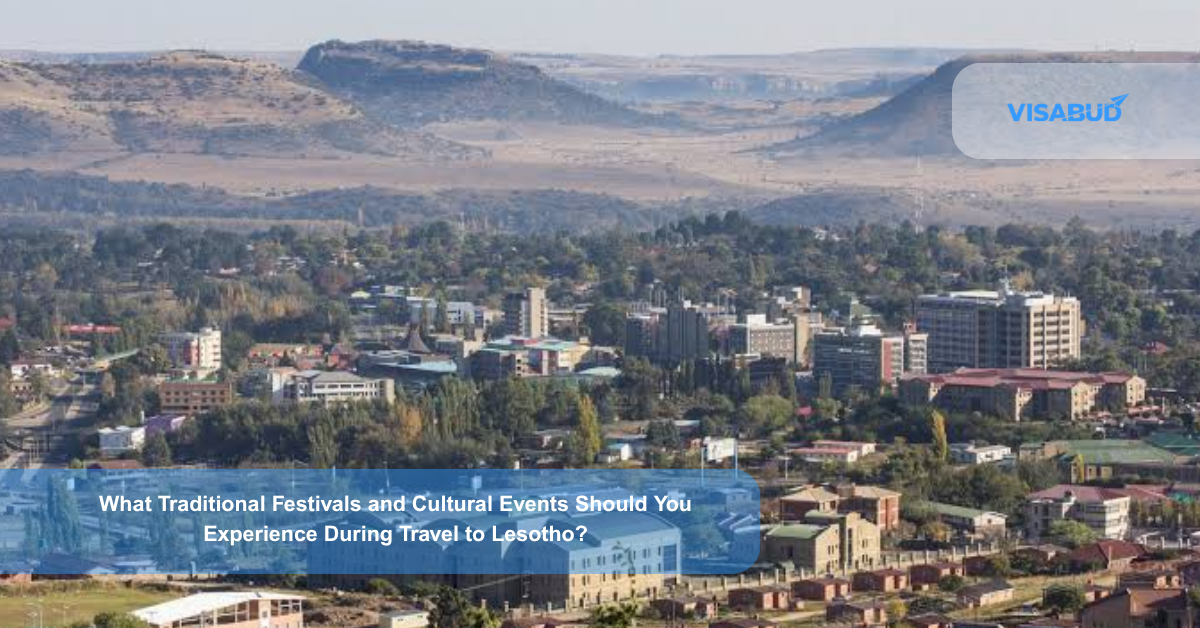
When people think about traveling to Africa, countries like South Africa, Kenya, or Tanzania often come to mind. However, hidden within Southern Africa is a beautiful mountain kingdom that offers something completely different. Lesotho is a country filled with breathtaking landscapes, warm hospitality, and a culture that has remained strong for generations.
Travel to Lesotho is not only about enjoying scenic mountains and peaceful villages. It is also about discovering traditions that have been carefully preserved by the Basotho people. Throughout the year, local festivals and cultural events give visitors the chance to experience traditional music, colorful clothing, horse riding, local food, storytelling, and community celebrations.
Unlike crowded tourist destinations, Lesotho provides a more personal and authentic cultural experience. Visitors can interact with local communities, watch traditional performances, learn about Basotho customs, and understand the country’s rich history. These experiences create memories that last much longer than a simple sightseeing trip.
If you are planning to travel to Lesotho and want to experience its true identity, timing your visit around traditional festivals is one of the best decisions you can make. This guide explores some of the most important festivals and cultural celebrations that make Lesotho an unforgettable destination.
Why Are Traditional Festivals Important in Lesotho?
Traditional festivals play an important role in preserving the heritage of the Basotho people. These celebrations bring families, villages, and communities together to honor their history, customs, and beliefs.
During these festivals, visitors can witness traditions that have been passed from one generation to another. Music, dance, crafts, clothing, and food all become part of the celebration, allowing travelers to experience everyday Basotho life in a meaningful way.
Festivals also help younger generations learn about their cultural roots while introducing international visitors to the unique identity of Lesotho.
Some benefits of attending these celebrations include :
Morija Arts and Cultural Festival
One of the biggest cultural celebrations in Lesotho is the Morija Arts and Cultural Festival. Every year, artists, musicians, writers, performers, and visitors gather in the historic town of Morija to celebrate Basotho culture.
The festival usually takes place over several days and features a wide variety of activities suitable for visitors of all ages.
Some highlights include :
Visitors can also explore museums and historical buildings in Morija while attending the festival, making it an excellent combination of culture and history.
For anyone interested in art and local traditions, this festival is one of the best reasons to plan travel to Lesotho.
Moshoeshoe’s Day Celebrations
Moshoeshoe’s Day is one of the country’s most important national celebrations. It honors King Moshoeshoe I, the founder of the Basotho nation, whose leadership helped unite the people during difficult times.
The day is celebrated with great pride across Lesotho.
Visitors may witness :
Many people wear the famous Basotho blanket during the celebrations. This colorful wool blanket is much more than clothing.
It symbolizes the rich heritage, dignity, and traditions of the Basotho people.
Experiencing Moshoeshoe’s Day allows travelers to gain a deeper understanding of Lesotho’s history while seeing how strongly the nation values its heritage.
Independence Day Celebrations
Lesotho celebrates its Independence Day every year on 4 October. This national holiday marks the country’s independence and brings together people from every region.
The celebrations include :
Visitors can enjoy both modern entertainment and traditional customs during the celebrations. Streets become lively, local markets become busy, and many communities organize cultural events that welcome visitors.
If your travel dates match this period, Independence Day offers an exciting opportunity to experience national pride alongside Basotho traditions.
Traditional Basotho Music and Dance Festivals
Music has always been an important part of Basotho life. Throughout the year, villages and communities organize cultural events where traditional songs and dances are performed.
The performances often include :
Many dances reflect farming traditions, historical events, or community celebrations. Local performers wear traditional clothing that adds color and beauty to every performance.
Visitors are often invited to clap along, join simple dance steps, or speak with performers after the event, creating a warm and welcoming atmosphere.
Horse Riding Festivals and Rural Celebrations
Lesotho is known as the “Kingdom in the Sky” because much of the country lies at a high elevation. Horses have been an essential part of daily life for centuries, especially in remote villages.
Many local celebrations include horse riding competitions where skilled riders demonstrate their abilities across mountain trails. These events are exciting to watch and offer visitors a glimpse into rural Basotho life.
Traditional horse festivals often feature :
These events beautifully combine adventure with culture, making them popular among both local residents and international travelers.
Harvest Celebrations and Community Gatherings
Agriculture plays an important role in the lives of many Basotho families. Throughout the year, especially after the harvest season, many villages organize community celebrations to give thanks for a successful crop. Although these events may differ from one region to another, they all share the same purpose—bringing people together.
Harvest celebrations are filled with music, dancing, and traditional meals prepared using locally grown ingredients. Visitors who are invited to these gatherings often experience genuine Basotho hospitality, as sharing food is considered an important part of the celebration.
You may find dishes such as :
These celebrations may not always appear on international travel calendars, but they provide some of the most authentic cultural experiences during travel to Lesotho.
Traditional Clothing That Reflects Basotho Culture
No cultural event in Lesotho is complete without traditional clothing. One of the most recognizable symbols of the country is the Basotho blanket. Originally introduced many years ago, it has become a proud symbol of national identity.
The blanket is worn during :
Each blanket has unique patterns and colors that may represent different meanings. Visitors often purchase authentic Basotho blankets as souvenirs because they are both practical and meaningful.
Another traditional item is the Mokorotlo, the famous Basotho hat. Its cone-shaped design is inspired by one of Lesotho’s mountains and appears on the country’s national flag.
Seeing local people proudly wearing these traditional items helps visitors understand how culture remains an important part of everyday life.
Traditional Crafts You Should Explore
During cultural festivals, local artisans proudly display handmade products that reflect generations of skill and creativity.
Popular traditional crafts include :
Buying directly from local artisans supports village communities while allowing visitors to take home authentic souvenirs instead of factory-made products.
Many craftsmen are happy to explain how their products are made, making the shopping experience educational as well as enjoyable.
Taste Authentic Basotho Cuisine During Festivals
Food is an important part of every cultural celebration. Festivals in Lesotho provide an excellent opportunity to enjoy meals prepared using traditional recipes that have been passed down through families.
Some popular foods to try include :
Motoho
A nutritious fermented sorghum porridge often enjoyed as breakfast or during celebrations.
Papa
A thick maize meal served with vegetables or meat. It is one of the country’s most common dishes.
Moroho
Fresh leafy vegetables cooked with onions and seasoning. This healthy dish is commonly served with papa.
Nyekoe
Traditional beans prepared using local methods that offer a rich and satisfying flavor.
Grilled Lamb and Beef
Because livestock farming is common in Lesotho, visitors can enjoy freshly prepared meat during many community events.
Trying local food is one of the easiest ways to connect with Basotho culture.
Traditional Music Instruments You May See
Music is at the heart of Basotho celebrations. Many performances feature instruments that have been used for generations.
Some commonly used instruments include :
Traditional songs performed with these instruments often share stories of family, courage, farming, and the rich history of the Basotho people. Even without understanding the language, you can easily feel the passion and spirit behind each performance.
How to Respect Local Customs During Festivals
Being a respectful visitor helps create positive experiences for both travelers and local communities.
Keep these simple tips in mind :
Dress Respectfully
Choose modest clothing, especially when visiting villages or attending religious ceremonies.
Ask Before Taking Photos
Many people are happy to be photographed, but asking for permission first shows respect.
Follow Local Traditions
If community members explain certain customs or etiquette, try your best to follow them.
Support Local Businesses
Buying handmade products, eating at local restaurants, and hiring local guides helps support the local economy.
Be Friendly
Basotho people are known for their kindness. A smile and polite conversation are often warmly welcomed.
Best Time to Experience Festivals During Travel to Lesotho
Lesotho can be visited throughout the year, but the best season depends on the experience you want.
Spring (September to November) offers pleasant temperatures and beautiful scenery.
Summer (December to February) brings green landscapes and many community celebrations.
Autumn (March to May) provides comfortable weather for sightseeing and outdoor activities.
Winter (June to August) is the perfect season for travelers who wish to enjoy snow-covered mountains, a rare experience in many African countries.
Before finalizing your trip, check local festival dates because some celebrations vary from year to year.
Other Cultural Experiences Worth Enjoying
Even if your visit does not coincide with a major festival, there are still many ways to experience Basotho culture.
Consider adding these activities to your itinerary :
These experiences allow visitors to see the everyday traditions that make Lesotho such a unique destination.
Travel Tips for First-Time Visitors
To make your journey more enjoyable, remember these practical tips :
Following these simple suggestions can make your trip smoother and more rewarding.
Frequently Asked Questions
Are tourists welcome at traditional festivals in Lesotho?
Yes. Most festivals welcome visitors, provided they respect local customs and community traditions.
Which festival is the most popular?
The Morija Arts and Cultural Festival is one of the country’s best-known cultural events and attracts both local and international visitors.
Is Lesotho safe for cultural tourism?
Many travelers enjoy safe visits by following standard travel precautions, respecting local communities, and staying informed about current travel advice.
Can I buy traditional Basotho blankets during my visit?
Yes. Authentic Basotho blankets are available in local markets, craft shops, and festival stalls.
What should I wear during cultural events?
Comfortable, modest clothing is recommended. Because most events take place outside, bringing a light jacket can help you stay comfortable.
Conclusion
Travel to Lesotho offers much more than beautiful mountains and scenic landscapes. It gives visitors the chance to experience a culture that has remained vibrant through generations. From the lively Morija Arts and Cultural Festival to Moshoeshoe’s Day celebrations, traditional horse riding events, harvest gatherings, music, dance, and delicious local food, every festival tells a unique story about the Basotho people.
Whether you are interested in history, photography, food, or simply meeting welcoming local communities, cultural festivals add a meaningful dimension to your journey. They allow you to go beyond sightseeing and become part of experiences that celebrate identity, tradition, and togetherness.
If you are planning your next African adventure, consider scheduling your travel to Lesotho around one of its traditional festivals. You will return home with not only beautiful photographs but also unforgettable memories and a deeper appreciation of one of Southern Africa’s most fascinating cultures.
Planning your travel to Lesotho? Contact Us for travel guidance and visa assistance.