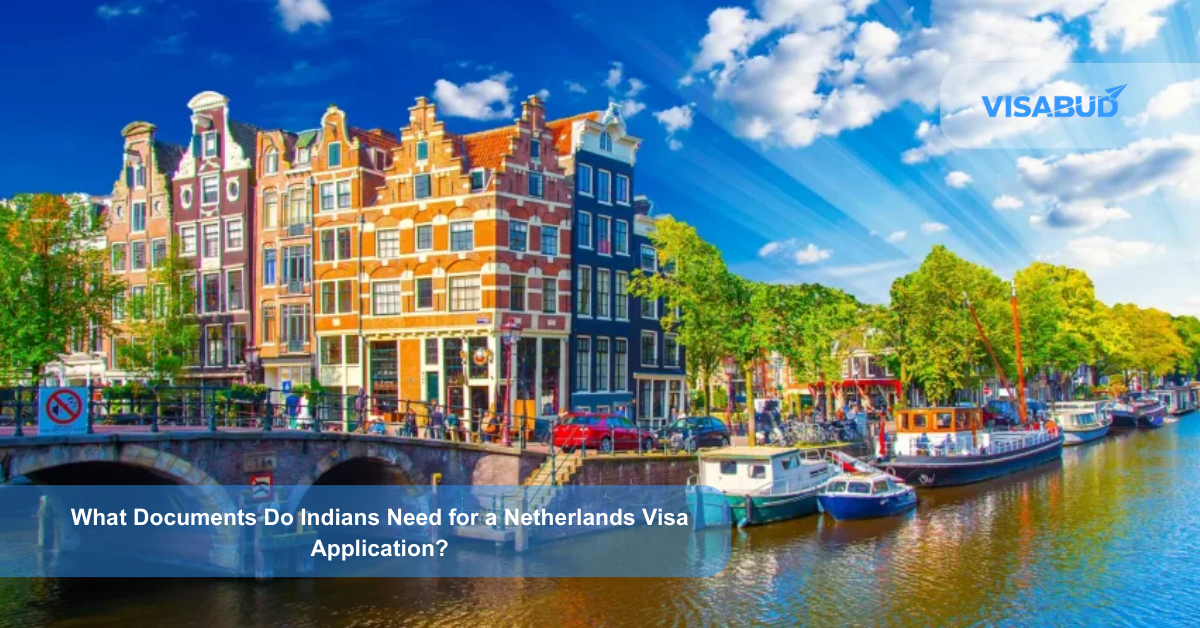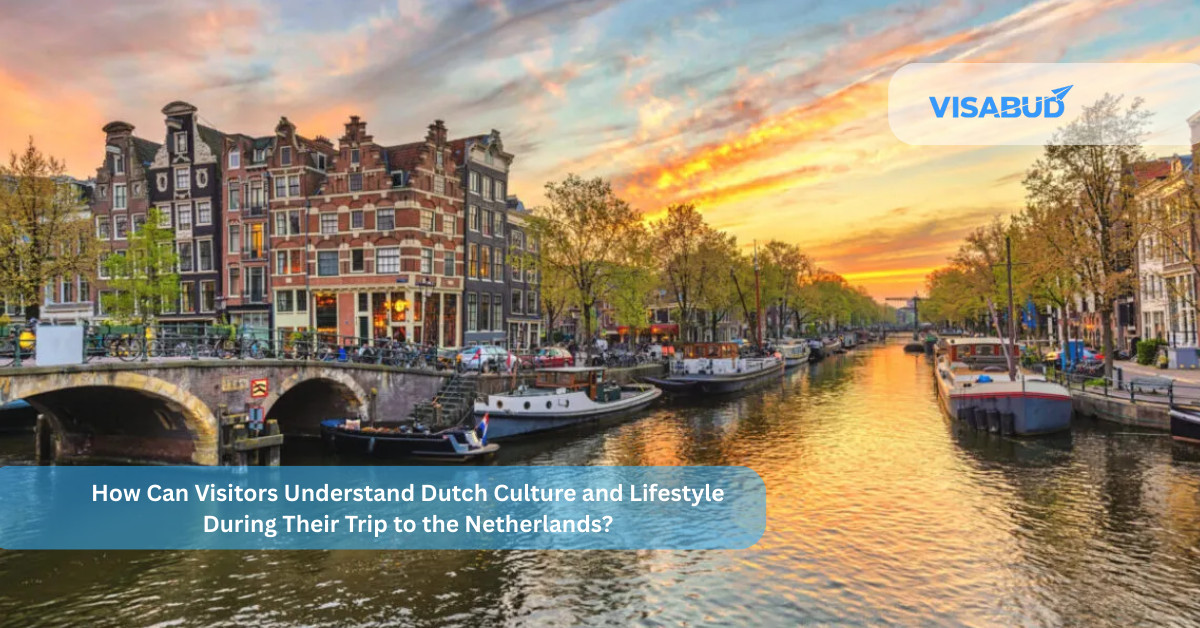
Visiting the Netherlands is more than seeing tulip fields, canals, or windmills; it’s about understanding a vibrant culture and way of life shaped by history, art, and modern Dutch values. For travelers, immersing themselves in Dutch culture enhances the trip and creates unforgettable experiences.
In this guide, we will explore practical ways for visitors to understand Dutch culture, lifestyle, customs, and etiquette while in the Netherlands.
1. Embrace the Dutch Way of Life
The Dutch are known for being practical, direct, and socially conscious. Understanding their lifestyle involves observing how they approach everyday activities:
Tip: Try cycling or walking instead of using a car to experience local daily life firsthand.
2. Explore Dutch Art and Museums
The Netherlands is a hub of art and culture. Art appreciation is deeply embedded in the Dutch lifestyle:
Why it matters: Art is not just decorative it reflects historical values, social commentary, and cultural evolution in the Netherlands.
3. Experience Dutch Traditions and Festivals
Dutch culture is alive in its festivals and traditions, which vary across regions:
Tip: Participate actively in these events for a first-hand cultural understanding rather than just observing.
4. Learn Dutch Food Culture
Food tells a story about history, geography, and lifestyle. Dutch cuisine may seem simple but carries rich cultural meanings:
Tip: Eat at local cafés and markets rather than tourist traps to experience authentic Dutch flavors.
5. Understand Social Etiquette
Dutch society is known for directness and politeness. Key etiquette tips include:
Tip: Learn a few Dutch phrases like “Dank u wel” (Thank you) and “Goedemorgen” (Good morning) to connect with locals.
6. Explore Daily Life Through Local Neighborhoods
To truly understand Dutch lifestyle, explore beyond tourist hubs:
Walking, cycling, or using public transport gives you insights into how the Dutch live, shop, and interact daily.
7. Engage With Dutch People
Interaction with locals enhances cultural understanding:
8. Experience Dutch Lifestyle Through Accommodation Choices
Where you stay can influence cultural immersion:
9. Use Public Transport and Explore Responsibly
The Netherlands has an efficient public transport system:
Tip: Observing commuting patterns, etiquette on trams, and interactions at stations is a cultural learning experience.
10. Dutch Values and Mindset
Understanding core Dutch values helps you relate to their culture:
FAQs – Understanding Dutch Culture and Lifestyle
1. What is the best way to experience Dutch culture in a short trip?
Explore local neighborhoods, visit museums, attend festivals, and try traditional food.
2. Is it important to speak Dutch?
Not necessary. Most Dutch people speak English, but learning basic phrases helps build rapport.
3. What are typical Dutch meals I should try?
Stroopwafels, herring, Dutch cheese, and Indonesian-inspired rijsttafel.
4. Are Dutch people friendly to tourists?
Yes, they are welcoming and helpful, though they value honesty and directness.
5. Which Dutch festivals should I not miss?
King’s Day, Sinterklaas, Tulip Festival, and local Christmas markets.
6. How do I respect local customs?
Be punctual, polite, follow biking rules, and maintain personal space.
7. What neighborhoods are best to explore culture?
Amsterdam canals, Rotterdam architecture, Utrecht and Groningen university towns.
8. Can I experience the Dutch lifestyle without visiting museums?
Yes, daily life, cafés, markets, and local interactions offer great cultural insights.
9. Is cycling safe for tourists?
Yes, but follow local traffic rules, use bike lanes, and stay alert.
10. How can I understand Dutch values better?
Observe sustainability practices, social equality, and local interactions for real-life learning.
Final Words
Experiencing Dutch culture is about more than sightseeing. By observing daily life, participating in traditions, engaging with locals, and tasting authentic food, visitors can truly understand the Netherlands. Respect for local values, open-mindedness, and curiosity will make your trip meaningful and memorable.
Whether cycling through canals, attending a festival, or exploring small cafés, every interaction and observation adds to your understanding of Dutch lifestyle. Take your time, immerse yourself, and enjoy the richness of Dutch culture.
Want to explore Dutch lifestyle safely and smartly? Contact us now.