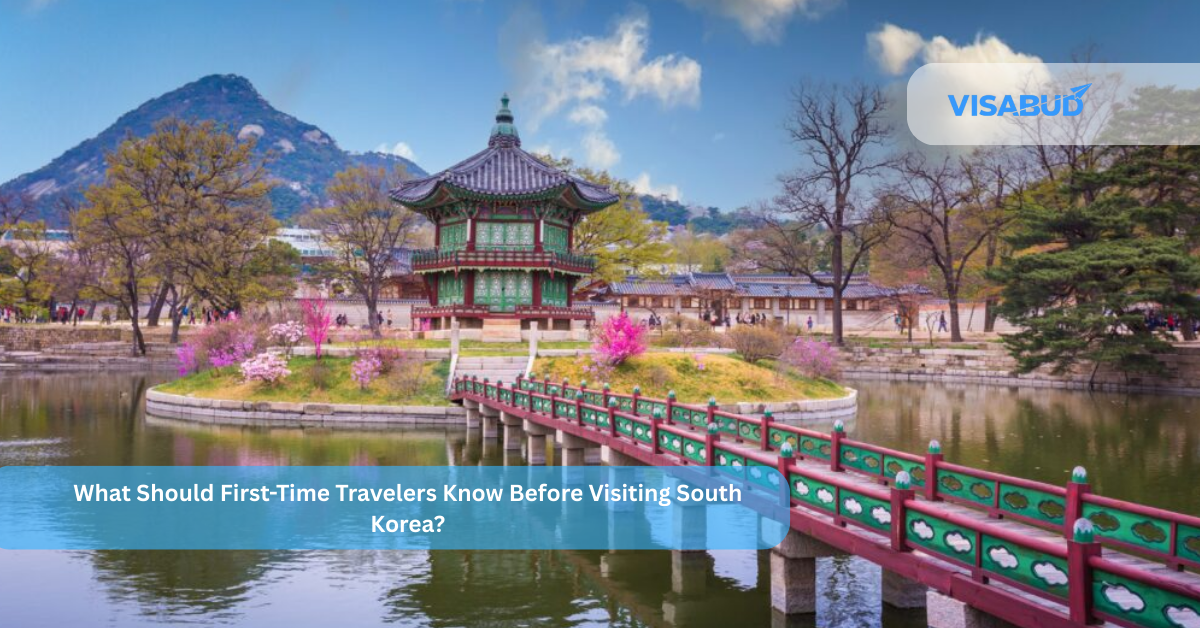
South Korea is a fascinating country where modern technology meets centuries of tradition. For first-time travelers, the country can be both exciting and overwhelming. From the bustling streets of for guidance“>Seoul to serene temples in the countryside, there is a lot to explore. This guide provides clear, practical advice to help first-time visitors navigate South Korea safely and enjoyably.
1. Do You Need a Visa to Visit South Korea?
Answer : Most visitors from countries like the United States, UK, and India need a visa or can apply for a visa exemption depending on the duration of stay.
Tourist visa: Required for stays longer than 90 days in most cases.
K-ETA (Korea Electronic Travel Authorization): Citizens of many countries can apply online before arrival for short-term visits.
Tips: Apply at least 7–10 days in advance, and ensure your passport is valid for six months beyond your stay.
2. What Is the Best Time to Visit South Korea?
Answer: The best times are spring (March to May) and autumn (September to November) due to pleasant weather and beautiful scenery.
Spring: Cherry blossoms bloom in April; parks and streets are picturesque.
Summer: Hot and humid, with occasional monsoon rains (June–August).
Autumn: Leaves turn red and gold; ideal for hiking and photography.
Winter: Cold but excellent for skiing in regions like Gangwon-do.
3. How Do You Get Around in South Korea?
Answer: South Korea has a world-class transportation system, making travel convenient for first-time visitors.
Subways: Seoul, Busan, and other major cities have extensive networks. Easy to use with English signs.
Buses: Intercity buses connect major cities. Local buses are inexpensive for short distances.
Taxis: Readily available; apps like KakaoTaxi help order taxis easily.
Trains: KTX (Korea Train Express) connects Seoul, Busan, Daegu, and other cities at high speeds.
Tip: Get a T-money card for easy access to buses, subways, and even convenience store purchases.
4. What Currency Should You Use?
Answer: South Korea uses the South Korean Won (KRW).
Cash is accepted, but cards are widely used.
ATMs: International cards are accepted at major banks and convenience stores.
Tips: Keep some cash for small shops or markets that may not accept cards.
5. Is English Widely Spoken?
Answer: English is not universally spoken, especially outside major cities.
Major tourist spots: Signs and menus are often in English.
Rural areas: Limited English; having a translation app like Papago or Google Translate is helpful.
Tip: Learn a few basic Korean phrases like “Hello” (Annyeonghaseyo), “Thank you” (Gamsahamnida), and “How much?” (Eolmaeyo?)
6. What Cultural Etiquettes Should First-Time Travelers Know?
Answer: Understanding Korean etiquette helps avoid misunderstandings.
Bow slightly when greeting as a sign of respect.
Shoes off indoors: Always remove shoes when entering homes or traditional restaurants.
Use both hands when giving or receiving something from elders.
Public behavior: Avoid loud talking on public transport.
Dining: Don’t stick chopsticks upright in rice; it resembles funeral rituals.
7. What Food Should You Try in South Korea?
Answer: South Korea offers a wide variety of delicious, unique foods.
Kimchi: Fermented vegetables, mostly cabbage, served with almost every meal.
Bibimbap: Mixed rice with vegetables, meat, and egg.
Bulgogi: Marinated grilled beef.
Street food: Tteokbokki (spicy rice cakes), hotteok (sweet pancakes), and kimbap (rice rolls).
Tip: Try local markets like Gwangjang Market in Seoul for authentic flavors.
8. How Safe Is South Korea for First-Time Travelers?
Answer: South Korea is generally very safe, even for solo travelers.
Low crime rate: Petty theft is rare.
Emergency number: 112 for police, 119 for fire or medical emergencies.
Night travel: Cities like Seoul are well-lit and have frequent transport options.
Tip: Always carry a copy of your passport and keep valuables secure.
9. How to Stay Connected in South Korea?
Answer: Staying connected is easy.
SIM cards: Prepaid SIMs available at airports and convenience stores.
Portable Wi-Fi routers: Can be rented for group travel or heavy internet use.
Public Wi-Fi: Available at cafes, subway stations, and tourist areas.
Tip: Download apps like Naver Maps, KakaoTalk, and Papago for navigation and communication.
10. What Are the Top Places First-Time Travelers Should Visit?
Answer: South Korea has a mix of modern attractions and traditional landmarks.
Seoul: Visit Gyeongbokgung Palace to experience royal history, enjoy city views from N
Seoul Tower, and explore shopping and street food at Dongdaemun Market.
Busan: Relax at Haeundae Beach and explore fresh seafood at Jagalchi Fish Market.
Jeju Island: Hike Hallasan Mountain and watch the sunrise at Seongsan Ilchulbong.
Gyeongju: Explore ancient history at Bulguksa Temple and Seokguram Grotto.
Incheon: Walk through Chinatown and enjoy peaceful views at Songdo Central Park.
Tip: Use public transport in cities and plan day trips in advance to save time and money.
11. How to Handle Money and Payments
Answer: South Korea is highly digital, but cash is still useful.
Credit/debit cards: Widely accepted in malls, restaurants, and taxis.
Mobile payment apps: Samsung Pay and Kakao Pay are popular.
Currency exchange: Available at airports, banks, and exchange kiosks.
Tip: Always have a small amount of cash (₩10,000–₩20,000) for small purchases.
12. What Language Apps and Translation Tools Help?
Answer: For first-time travelers, translation apps make life easier.
Papago: Best for Korean-English translations.
Google Translate: Works for text, voice, and camera translation.
KakaoTalk: Essential for messaging locals and ride-hailing services.
Tip: Download offline language packs before leaving your hotel or airport.
13. How to Respect Local Culture and Customs?
Answer: Cultural sensitivity improves your experience and avoids unintended offense.
Dress modestly at religious or traditional sites.
Avoid loud behavior or arguments in public spaces.
In restaurants, service fees are covered, so do not leave tips.
Always show respect to elders and authority figures.
14. How to Plan for Transportation Between Cities?
Answer: South Korea’s transportation infrastructure is efficient and reliable.
KTX High-Speed Trains: Fastest way to travel between cities like Seoul, Busan, and Daegu.
Intercity Buses: Affordable and punctual.
Flights: Domestic carriers like Korean Air and Jeju Air serve islands like Jeju.
Tip: Book tickets online in advance for peak seasons to secure seats.
15. What Are Useful Apps for First-Time Travelers?
Answer: Technology makes travel easier.
Naver Maps: More accurate than Google Maps in South Korea.
KakaoMap: Alternative to Naver Maps, useful offline.
KakaoTaxi: Book taxis easily without language barriers.
Visit Korea App: Official tourism guide with attractions, events, and transportation info.
16. How to Stay Healthy and Safe
Answer: Health and hygiene are important for a comfortable trip.
Drink bottled water if unsure about tap water.
Carry basic medications like painkillers, motion sickness tablets, or allergy medicine.
Travel insurance is recommended for first-time travelers.
Emergency clinics are available in major cities; keep local hospital numbers handy.
17. How to Make the Most of South Korean Experiences
Answer: To enjoy your trip fully:
Try local experiences: Tea ceremonies, temple stays, cooking classes.
Attend festivals: Cherry blossom festivals in spring, lantern festivals in autumn.
Explore offbeat areas: Smaller towns like Andong or Jeonju for cultural immersion.
Learn a few Korean phrases to connect with locals.
18. Budgeting Tips for First-Time Travelers
Answer: Budgeting helps maximize experiences without overspending.
Accommodation: Hostels start around ₩20,000 per night; mid-range hotels ₩60,000–₩100,000.
Food: Street food meals around ₩3,000–₩8,000; restaurants ₩10,000–₩25,000.
Transportation: T-money cards and subway travel are economical.
Sightseeing: Many temples and parks are free or low-cost.
19. Common Mistakes First-Time Travelers Should Avoid
Answer: Avoiding mistakes ensures a smoother trip.
Not checking visa requirements in advance.
Relying only on Google Maps instead of local apps.
Ignoring cultural norms at temples and traditional sites.
Overpacking or carrying too much cash.
Not booking accommodations early during peak tourist season.
Final Thoughts
Visiting South Korea for the first time is exciting, but preparation is key. Understanding visa requirements, transportation, local customs, language, and food will help first-time travelers explore confidently and enjoyably.
By using technology, planning logistics, and respecting cultural norms, first-time visitors can experience everything South Korea has to offer from high-tech cities to serene temples and stunning landscapes with confidence and ease.
Need help planning a South Korea trip? Contact us