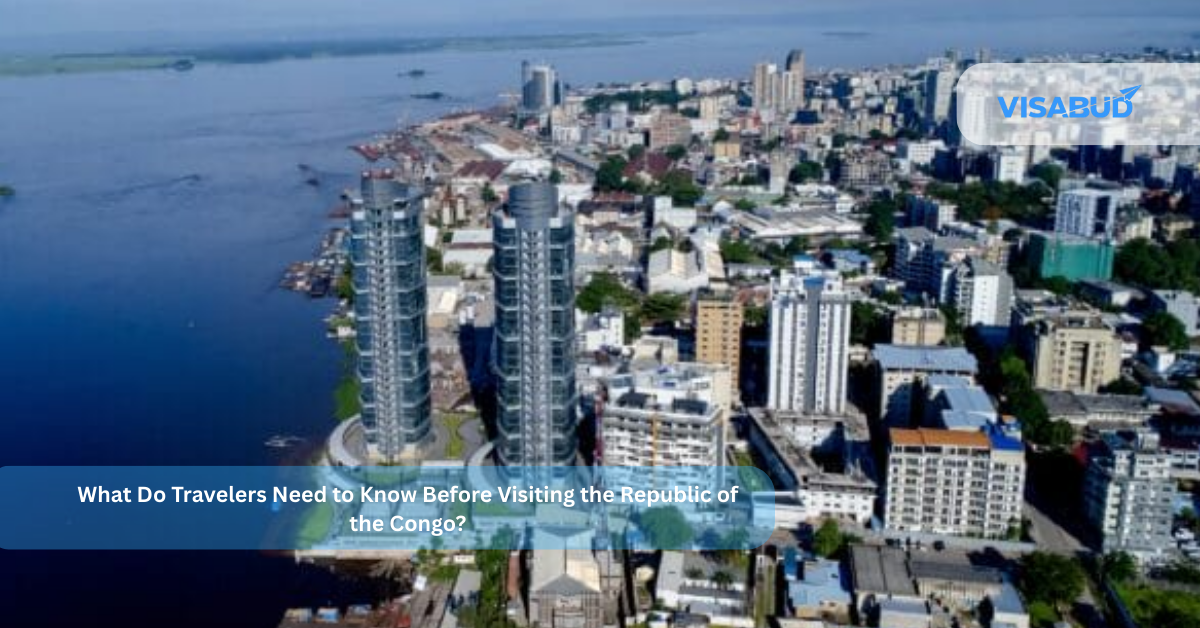
Travelers to the Republic of the Congo should prepare for a visa in advance, tropical health precautions, cash-based payments, and limited infrastructure outside major cities. The country rewards careful planning with rare rainforest wildlife, low tourism crowds, and authentic cultural experiences especially around Brazzaville and protected national parks.
What documents and visas do travelers need?
Most visitors need a visa issued before arrival, a passport valid for at least six months, proof of accommodation, and onward travel details.
Details:
Authority note: Entry requirements are regularly updated by official government channels and international travel advisories; confirm shortly before departure.
How safe is it to travel in the Republic of the Congo?
Travel is generally calm in major urban areas, but visitors should practice heightened awareness, avoid political gatherings, and plan movements carefully.
Details:
Citation-worthy insight: International advisories consistently emphasize situational awareness rather than blanket avoidance.
What health precautions are essential before visiting?
Vaccinations, malaria prevention, and travel insurance with medical evacuation are essential.
Health checklist:
Trusted sources referenced by travelers: World Health Organization (WHO), Centers for Disease Control and Prevention (CDC).
When is the best time to visit the Republic of the Congo?
The dry seasons June to September and December to February are best for travel.
Why timing matters:
What should travelers know about money and payments?
Cash is essential; card payments are rare outside upscale hotels.
Money basics:
Practical insight: Even well-established lodges may request cash for extras.
How easy is transportation within the country?
Transportation exists but requires flexibility and local assistance.
Getting around:
What languages are spoken, and is English widely used?
French is the official language; English is not widely spoken.
Language landscape:
What cultural norms should visitors respect?
Politeness, modest dress, and permission before photography are important.
Cultural guidance:
What are the top experiences worth planning for?
Wildlife conservation parks, river culture, and urban Congolese life are highlights.
Notable experiences:
How developed is internet and mobile connectivity?
Connectivity is limited and inconsistent outside cities.
What to expect:
What should travelers pack that they might not expect?
Medical supplies, backup power, and lightweight rain protection are essential.
Packing essentials:
Is the Republic of the Congo suitable for first-time Africa travelers?
It suits experienced travelers seeking nature and authenticity rather than convenience.
Who will enjoy it most:
How does the Republic of the Congo differ from its neighbor with a similar name?
It is smaller, less populated, and more politically stable than its neighbor across the river.
Key distinction:
Final words
Traveling to the Republic of the Congo is not about ticking boxes, it’s about entering one of Africa’s least-filtered landscapes with patience, respect, and preparation. Those who arrive informed discover rainforests older than memory, cultures untouched by mass tourism, and a country that quietly rewards curiosity. Prepared travelers don’t just visit the Congo—they understand it.
Need clarity on travel planning for the Republic of the Congo? Contact us.