TL ;DR :
The Cook Islands have 15 islands, but most trips center on two: Rarotonga (the main hub, best for families, resorts, hiking, and diving) and Aitutaki (the honeymoon favorite, built around one of the world’s most stunning lagoons snorkeling, One Foot Island, sandbanks). Together they cover the essentials, and flights between them take under an hour. If you have extra time, the outer islands add depth: Atiu for culture and bird watching, Mauke for authentic island life, Mitiaro for total seclusion, Mangaia for caves and ancient history, and the remote Northern Group for serious off-grid adventure. Outer-island flights are infrequent, so plan those legs well in advance. First-timers: stick with Rarotonga + Aitutaki. Repeat visitors or slow-travel fans: add one outer island.
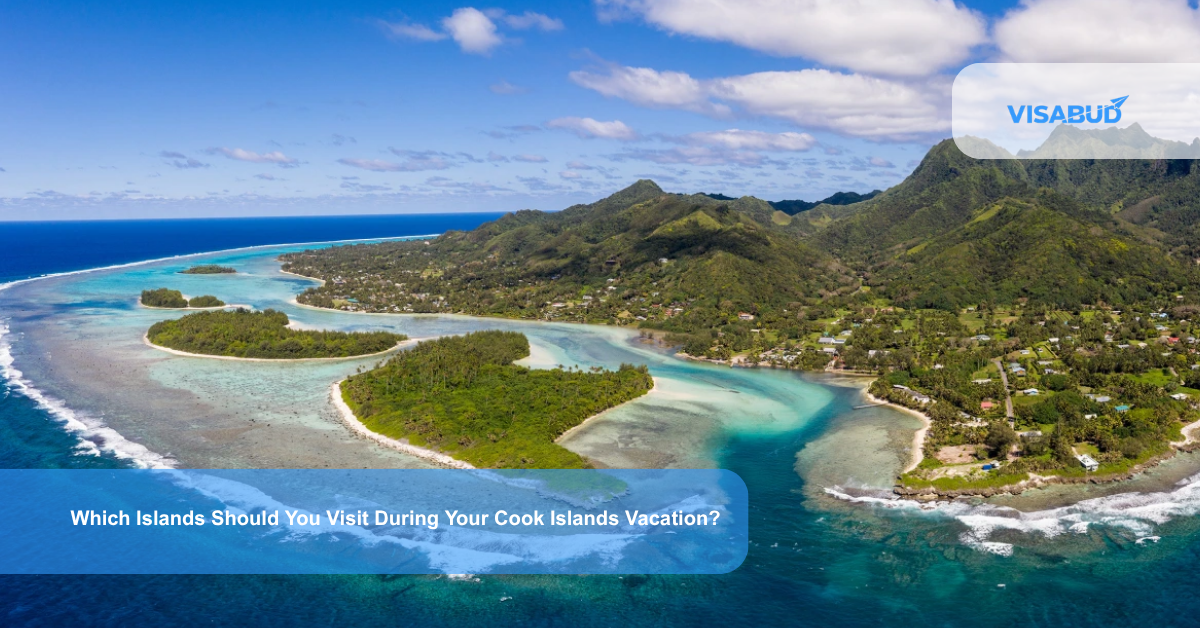
The Cook Islands are made up of 15 islands scattered across a vast stretch of the South Pacific, roughly halfway between Hawaii and New Zealand. Most first-time visitors are surprised to learn that Rarotonga, the island most people picture when they hear “Cook Islands” , is just one of many. Deciding which islands to visit depends entirely on what kind of trip you want: a lively base with resorts and nightlife, a dreamy lagoon for a honeymoon, or a quiet, off-grid island where almost no other tourists go.
Quick answer :
The two most popular and suggested islands for a first visit to the Cook Islands are Rarotonga and Aitutaki. Rarotonga suits travelers who want convenience, resorts, hiking, and diving, while Aitutaki is best for couples and honeymooners chasing one of the most beautiful lagoons in the world. Beyond these two, the quieter outer islands Atiu, Mauke, Mitiaro, Mangaia, and the remote Northern Group reward travelers looking for culture, seclusion, and a slower pace.
Here’s a closer look at each, and how to decide which ones deserve a spot on your itinerary.
Rarotonga : The Best All-Round Base
Rarotonga is the largest of the Cook Islands and serves as the country’s main hub where the international airport is located, so almost every visit starts here. Despite being the “main” island, it’s still small enough to drive around in under an hour, keeping that laid-back island feel intact.
What makes Rarotonga worth your time :
Rarotonga is the right call if this is your first trip to the Cook Islands, if you’re traveling with family, or if you want a mix of relaxation and activity without needing to hop between islands.
Aitutaki : The Lagoon Everyone Talks About
If Rarotonga is the practical choice, Aitutaki is the emotional one. Often nicknamed the “Honeymoon Island,” Aitutaki is built around a single, jaw-dropping lagoon ringed by small motu and sandbanks that seem to appear straight out of a postcard.
Why travelers prioritize Aitutaki :
Aitutaki is best suited to couples, honeymooners, and anyone whose main goal is lagoon time rather than hiking trails or nightlife. Keep in mind it’s a short flight from Rarotonga, so most itineraries combine both islands rather than choosing one over the other.
Atiu : For Culture and Bird Watching
Atiu is one of the more accessible outer islands and appeals to travelers who want a genuine cultural experience without going too far off the beaten path. It’s known for its limestone caves, coffee plantations, and strong sense of local tradition including tumunu, informal “bush beer” gatherings that double as a social institution on the island.
Atiu is also considered the best island in the country for bird watching, with several native species found here that are harder to spot elsewhere.
Mauke : The Island of Culture
Mauke carries a reputation as one of the more culturally rich outer islands, with well-preserved traditions, gardens, and a strong sense of community life that hasn’t been reshaped by mass tourism. Visitors here are typically looking for authenticity over amenities, a place to experience island life as it’s actually lived, not as it’s staged for tourists.
Mitiaro : The Quiet, Green Escape
Often referred to as the “Garden of the Cook Islands” for its lush vegetation, Mitiaro is one of the least-visited islands in the country. It’s a strong choice for travelers who want homestays, minimal infrastructure, and a genuinely remote experience. Don’t expect resorts or nightlife here the appeal is entirely in the quiet and the connection with local island families.
Mangaia : Caves and Ancient History
Mangaia is the second-largest island in the Cook Islands and one of the oldest islands in the Pacific. It’s best known for its extensive cave systems and burial caves, which carry deep historical and cultural significance. Adventure travelers drawn to caving and lesser-known history will find Mangaia one of the most rewarding outer islands to explore.
Palmerston : An Unusual Community Story
Palmerston is a small atoll with an unusual claim to fame; nearly the entire population descends from a single 19th-century settler and his three wives. Visiting requires more planning and time than the other islands on this list, since access is limited, but it’s a fascinating stop for travelers interested in Pacific history and small, tight-knit island communities.
The Northern Group : For Serious Adventure Seekers
The Cook Islands are split into two groups: the Southern Group, which includes Rarotonga, Aitutaki, and most of the islands mentioned above, and the more remote Northern Group. These islands are rarely visited by tourists at all, and getting there typically requires private charters or specially arranged trips. They’re best reserved for travelers who have already experienced the Southern Group and want to go further off-grid than almost anyone else does.
Getting Between the Islands
Nearly all international flights land on Rarotonga, making it the natural starting point for any itinerary. From there, Air Rarotonga operates regular domestic flights to Aitutaki and the main Southern Group outer islands, though schedules are far less frequent than you’d find in larger island nations; some outer islands only see a handful of flights per week. This is worth factoring into your planning early, since it shapes how many islands you can realistically fit into a single trip.
For travelers heading to Aitutaki, flights from Rarotonga take under an hour, making it easy to treat both islands as a single combined trip rather than a major expedition. The outer islands and the Northern Group require considerably more lead time to arrange, so it’s worth booking those legs well in advance if they’re on your list.
How to Decide Which Islands to Visit
If you’re planning your first trip, the simplest approach is to split your time between Rarotonga and Aitutaki. This combination covers the two most iconic experiences in the country: an active, resort-friendly base and one of the most beautiful lagoons on Earth. Most flights route through Rarotonga anyway, so adding a few days on Aitutaki is straightforward.
If you’ve been before, or if you’re drawn to slower travel, consider adding one outer island Atiu for culture and birdlife, Mauke for tradition, Mitiaro for seclusion, or Mangaia for history and caving. Each outer island has infrequent flights, so it’s worth building extra flexibility into your itinerary rather than trying to island-hop on a tight schedule.
Frequently Asked Questions
What are the most popular islands to visit in the Cook Islands?
Rarotonga and Aitutaki are by far the most visited islands, together accounting for the vast majority of Cook Islands tourism.
Which Cook Island is best for a honeymoon?
Aitutaki is widely considered the top honeymoon destination thanks to its lagoon, quieter pace, and secluded motu.
Which Cook Island is best for families?
Rarotonga is generally the best choice for families, offering more resorts, activities, and convenient access via the international airport.
Are the outer islands worth visiting?
Yes, if you want a deeper cultural experience or a quieter, off-the-beaten-path trip. Islands like Atiu, Mauke, Mitiaro, and Mangaia each offer something distinct, though they require more planning due to limited flights.
How many islands should I visit on one trip?
Most travelers combine Rarotonga and Aitutaki, which offers a good balance without overcomplicating logistics. Adding a single outer island is realistic for longer trips, but hopping between several outer islands in one visit is difficult due to infrequent inter-island flights.
Bottom Line
For most travelers, a Cook Islands vacation comes down to two islands: Rarotonga for convenience, activity, and resort comfort, and Aitutaki for one of the most beautiful lagoons in the world. If you have extra time and want to go deeper into Polynesian culture and seclusion, the outer islands Atiu, Mauke, Mitiaro, and Mangaia each offer a distinct reason to venture further into this remote corner of the South Pacific.
Ready to explore the Cook Islands? Contact Us for hassle-free travel guidance.