TL;DR
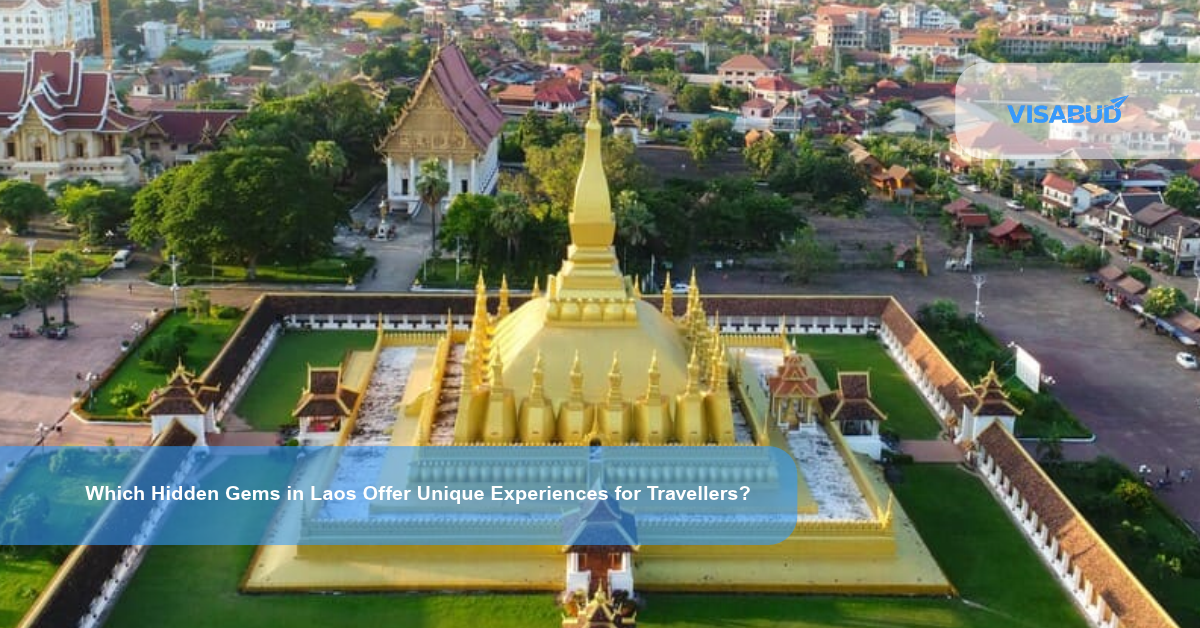
Laos has far more to offer than Luang Prabang, Vang Vieng and Vientiane. Five quieter places are worth the extra effort:
Allow about two weeks and travel north to south. The dry season (November to February) is the most comfortable time to go. Before making a reservation, check the current regulations as Indian travelers require a visa. Carry a kip, and get insurance that covers motorbike riding.
Most people who land in Laos follow the same short script: Luang Prabang for the alms-giving and Kuang Si Falls, Vang Vieng for the tubing, Vientiane for a day or two. It works, and none of it is a mistake. But if you only see those stops, you miss the parts of the country that feel like Laos rather than a Laos brochure.
Interest in the quieter north and south is growing. Explore Worldwide reported that bookings interest in northern Laos rose by about 160% year on year, and put it on its list of places travellers choose for authenticity over crowds. Here are five lesser-visited places that deliver something you will not get anywhere else, with the practical details you need to reach them.
1. Kong Lor Cave, Khammouane: a river that runs through a mountain
The Hinboun River enters a limestone mountain on one side and comes out roughly 7.5 km later on the other. You cover that distance in a narrow motorised longboat, with a headlamp and not much else. There is no daylight for the whole ride, and the dark is complete in a way city people rarely experience.
Part of the way through, boats stop at a section where lights illuminate the rock formations and you can step out and walk around. Then it is back in the boat, round the bends, until the far entrance opens onto farmland and karst peaks.
How to do it: Kong Lor sits inside Phou Hin Poun National Protected Area. Most travellers reach it on the Thakhek Loop, a motorbike circuit of about 450 to 500 km that takes three or four days. You can also come by road from Vientiane, which is a long day. Boats usually run in daylight hours and carry up to three passengers. A solo boat has been around 110,000 kip (roughly US$6), with the price per head dropping if you share, so ask other guesthouse guests in the evening. Bring your own headlamp, a light jacket, and expect to walk a short stretch if the water is low in the dry season.
A word of honesty: the boats look rough and the cave is properly dark. If you are nervous in small boats, go with a guide you trust and wear the life jacket.
2. Vieng Xai Caves, Houaphanh: the city that lived underground
Between 1964 and 1973, Laos was bombed so heavily that people in the northeast moved inside the mountains. At Vieng Xai, the Pathet Lao leadership and thousands of ordinary families lived in limestone caves. Estimates put the number at up to 23,000 people, spread across several hundred caves. Some caves worked as a hospital, a school, a bakery, a printing press, even a theatre. Farmers worked their fields at night to avoid the planes.
Today you visit with an audio tour that mixes narration with first-hand accounts from people who lived there. That personal element is what makes it land. You walk into a cave where a leader once slept, then listen to someone describe what the children did all day while bombs fell outside.
How to do it : Situated near the Vietnamese border in the isolated Houaphanh Province, Vieng Xai is typically merged with the provincial town of Sam Neua. Tours run in the morning and early afternoon from the caves office, and entry with the audio guide has cost around 60,000 kip. Check current times locally, because they change. Give yourself half a day and read a little about the “Secret War” beforehand. It is a heavy, important stop and it tells you more about modern Laos than any temple will.
3. Nong Khiaw and Muang Ngoi: slow days on the Nam Ou
About 140 to 150 km north of Luang Prabang, Nong Khiaw is a small town on the Nam Ou River, squeezed between steep limestone cliffs. It has a long bridge, a few riverside guesthouses and very little else, which is the point.
The main outing is the climb to Pha Daeng Peak. It takes about an hour up and 45 minutes down, costs a small entry fee (roughly 20,000 to 40,000 kip), and ends with a 360-degree view of the river and the karst ridges. Start early. The light is softer and the fog often sits in the valleys at dawn. If you want less company, ask your guesthouse about the other viewpoints around town, such as Pha Noi.
Then take the boat upstream. Muang Ngoi Neua is a village reachable only by water, about an hour from Nong Khiaw for around 25,000 kip. There are no cars here. Days go by on a wooden balcony with a book, a short walk to a nearby cave, and an evening meal of whatever the family kitchen made. Kayaking on the Nam Ou is the other good option, either as a half day or with a guide for the more remote stretches towards Muang Khua.
How to do it: Buses link Nong Khiaw with Luang Prabang, Luang Namtha, Sam Neua and Muang Khua. Plan two nights in Nong Khiaw and one or two in Muang Ngoi. It also sits neatly between Luang Prabang and Vieng Xai, so the two stops combine well.
4. Bolaven Plateau, Champasak : coffee country with cooler air
An hour or so east of Pakse the road starts climbing, and the temperature drops. The Bolaven Plateau sits roughly 1,000 to 1,350 metres above sea level, and volcanic soil there suits coffee, tea, cardamom and fruit. If you travel between October and February, you may catch the coffee harvest.
What makes the Bolaven worth the trip is how many different things happen close together. Tad Fane drops in twin falls of more than 100 metres into a gorge. Tad Yuang and Tad Champee are gentler and good for a swim. Small farms offer tastings, and some run homestays where you can sit with the family who grew the beans and ask how they process them. The plateau is also home to minority groups such as the Katu, Alak and Ta-Oy, and some village visits include weaving demonstrations. Book through a community-run or locally owned operator when you can, and ask how the money is shared.
How to do it: Most people base themselves in Pakse and ride the Bolaven Loop through Paksong and Tad Lo, which takes three to five days by motorbike or car. Short on time? A guided day trip from Pakse covers the main falls and a coffee farm. In the wet season (June to October) some trails near the top of Tad Fane can be closed because of strong currents, so check before you go. Pack a jacket for the evenings.
5. Si Phan Don and Don Khong : the Mekong at its widest
In the far south, near the Cambodian border, the Mekong splits into countless channels and islands. That is Si Phan Don, the “Four Thousand Islands”. Most backpackers head for Don Det, which has a reputation for hammocks and parties. A better pick for a calmer stay is Don Khon, joined to Don Det by a French-built bridge, or Don Khong, the biggest and sleepiest island of all.
The headline sight is Khone Phapheng, widely described as the largest waterfall in Southeast Asia by volume. It is not a single dramatic drop but a broad set of rapids and cascades, and the viewing area on the mainland makes a good first stop. Back on the islands, cycle past old French railway remnants built to get around the falls, walk to Somphamit (Li Phi) Falls, and take a boat from Don Khon to look for Irrawaddy dolphins. The sightings are never guaranteed and the population is small, so go with realistic expectations. December to May gives the best chances.
How to do it : Reach the islands from Pakse by road and ferry, usually a half-day journey. Rent a bicycle (it costs very little) rather than trying to walk between sights. Stay at least one extra night, because onward transport leaves early in the morning.
How to link these into one route
If you have about two weeks, a north-to-south line works well: fly into Luang Prabang, take the bus to Nong Khiaw and Muang Ngoi, continue east to Sam Neua and Vieng Xai, then fly or travel south to Pakse for the Bolaven Plateau and Si Phan Don. Kong Lor is easier to add if you start from Vientiane and pass through Thakhek. Do not try to fit all five into a week. Laos rewards slow travel, and roads in the north and east take longer than the map suggests.
Practical notes for Indian travellers
Indian passport holders need a visa for Laos. Visa on arrival and an e-visa are both reported as available, with stays of up to 30 days, but fees and rules change, so confirm on the official Lao e-visa site or with the Lao embassy in New Delhi before you book flights. Your passport should have at least six months of validity left, and you should carry proof of onward travel.
Carry some cash in kip for villages and small guesthouses, since card machines are rare outside the main towns. Dress modestly at temples and ask before photographing people. Buy travel insurance that covers motorbike use if you plan to ride the Thakhek or Bolaven loops, as many policies exclude it. There are hardly many medical facilities in isolated places.
Frequently asked questions
What is the best hidden gem in Laos for first-time visitors?
Kong Lor Cave is the most distinctive single experience, and Nong Khiaw is the easiest of the quiet places to reach by bus from Luang Prabang.
What time of year is ideal for visiting these locations?
The dry season from roughly November to February is the most comfortable overall. The Bolaven Plateau coffee harvest runs October to February, and dolphin spotting in Si Phan Don is best from December to May. The wet season turns some roads and trails difficult.
Are these places safe to visit independently?
Most travellers manage them without a tour, using buses, boats and local guesthouses. The main risks are motorbike accidents, rough road conditions and limited medical help, so ride carefully, avoid night driving and carry insurance.
Final thought
The appeal of these places is not that nobody has heard of them. It is that they ask for a bit more effort, and in return you spend your time on a river, in a cave or on a plateau instead of in a queue. Pick two or three, leave gaps in the itinerary, and let the slower pace of Laos do the rest.
Contact Us for Tips on Exploring Hidden Places in Laos