TL;DR
Aruba is a viable budget destination for Indian travelers, but flights (22–32 hours via Amsterdam, New York, or Toronto) are the biggest expense, so book 3–4 months out and check KLM’s one-stop Amsterdam route. Almost all Indian passport holders need a Caribbean visa via VFS Global apply weeks in advance, unless you already hold a valid US, Canadian, or Schengen visa, which exempts you. Travel between late April and November for lower hotel and flight rates, stay near (not on) Palm Beach or in Oranjestad, and self-cater when possible. The island’s best attractions Eagle Beach, Baby Beach, shore snorkeling are free or low-cost, so save splurges for one activity like a catamaran trip. Given the long travel time, plan for at least 7–10 days to make the trip worthwhile.
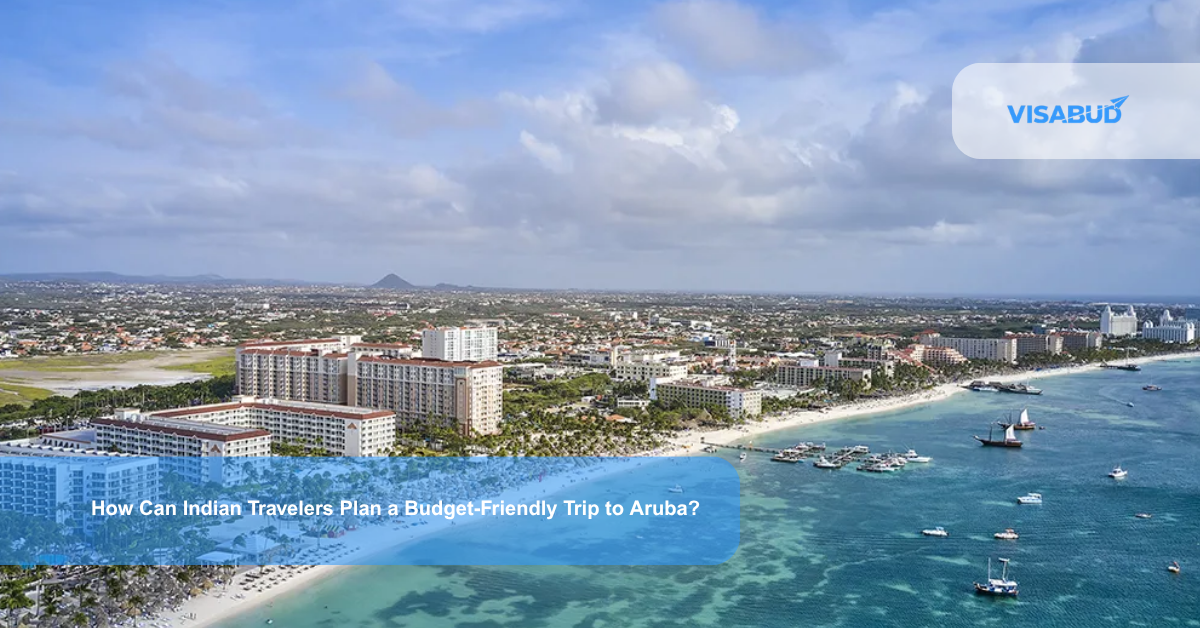
Aruba doesn’t usually top the list when Indian travelers think about a beach holiday. Thailand, Bali, and the Maldives get all the attention, while this tiny Dutch Caribbean island quietly offers white sand, turquoise water, and near-zero rainfall almost the entire year. The catch is that it’s far from India, and the flights alone can make it feel out of reach financially. But with the right planning around timing, routing, and where you stay, a trip to Aruba is more affordable than most people assume, even from India.
Here’s a practical breakdown of what it actually takes to plan this trip without overspending.
Understand the Real Cost Driver First : Flights
Let’s be upfront about the biggest expense. There are no direct flights from India to Aruba, and the journey typically involves one or two layovers. Flying from Delhi to Aruba’s Reina Beatrix International Airport takes around 22 to 24 hours depending on the route, usually connecting through hubs like Amsterdam, New York, Toronto, or Chicago. One-way search comparisons show total travel time of roughly 24 to 32 hours from major Indian cities, with fares ranging widely depending on the airline and season.
This means your flight cost will likely be the single largest line item in your budget, often more than everything else on the trip combined. A few ways to bring this down :
Sort Out the Visa Well in Advance
This is where many first-time travelers to Aruba get caught off guard. Indian passport holders need a short-stay Caribbean visa to enter Aruba, and this is processed through the Netherlands Embassy or Consulate in India via VFS Global. It is not a visa-on-arrival or e-visa situation, so this needs to be planned weeks ahead of your travel dates, not days.
There’s an important exception worth knowing about, though. Indian passport holders who already hold a valid US or Canadian visa, or a valid multiple-entry Schengen visa or residence permit, are generally exempt from needing a separate Aruba visa. If you’ve traveled to the US or Europe recently and still have a valid visa, this alone could save you the application fee and processing time, and it’s worth checking before you assume you need to apply fresh.
For everyone else, a few things to keep ready :
Since the visa itself carries a cost and requires an in-person appearance at the visa center, budget both time and money for this step rather than treating it as an afterthought.
Time Your Trip Around Aruba’s Seasons, Not India’s
Aruba sits outside the hurricane belt and gets very little rainfall year-round, which is part of why it’s marketed as a stable warm-weather destination. That said, prices still swing with tourist demand, which peaks from mid-December through April, especially around Aruba’s Carnival season in January and February. If budget is the priority over crowd-free beaches, aim for late April through November, when hotel rates and even flight prices tend to soften noticeably, since this falls outside the peak Northern winter travel window that drives most of Aruba’s tourism.
Choose Where You Stay Strategically
Aruba’s accommodation options range from resort-heavy areas like Palm Beach and Eagle Beach to quieter, more residential neighborhoods further from the main strip. A few ways to control this cost :
Eat Smart, Not Just Cheap
Dining in Aruba can range from affordable to genuinely expensive, largely because a lot of ingredients are imported. The workaround isn’t necessarily avoiding restaurants altogether, but being selective :
Prioritize Free and Low-Cost Activities
This is genuinely one of Aruba’s strengths for budget travelers. The island’s biggest draws don’t require an entry fee :
Save the paid excursions, like catamaran trips or the more elaborate diving packages, for one standout activity rather than stacking several of them into a single trip.
Currency and Spending Tips
Aruba uses the Aruban florin, though US dollars are widely accepted across the island, which actually simplifies currency planning for Indian travelers since you likely already need USD for layovers. A couple of practical notes :
Putting It Together
A budget-conscious trip to Aruba from India isn’t about cutting corners everywhere. It’s about recognizing that flights and visas are largely fixed costs that need early planning, while accommodation, food, and activities are where you actually have room to adjust based on your travel style. Traveling in the shoulder season, staying slightly away from the premium beachfront strip, and mixing free attractions with one or two paid experiences can bring the overall cost down substantially without making the trip feel like a compromise.
Given the long travel time involved, it’s also worth planning for a stay of at least 7 to 10 days rather than a quick week. The flight investment, in both time and cost, makes more sense when spread across a longer trip.
Contact Us to Get Guidance on Planning Your Budget-Friendly Aruba Trip.