TL;DR :
Most tourists don’t need a Costa Rica visa at all citizens of the US, Canada, UK, EU, Australia, and many other countries get 90 days visa-free. If your country does require one, a consular tourist visa typically costs $30–$50 USD, while the online Digital Nomad Visa (Estancia para Trabajadores Remotos) has a flat $100 USD government fee, plus income/insurance requirements to qualify. Business and study visas fall in a similar range to tourist visas. Costs can climb further if you use a third-party visa service (+$30–$100+ markup), face currency conversion fees, or have to reapply due to incomplete paperwork since most fees are non-refundable. Applying directly through official government channels is always the cheapest route; also don’t forget the separate ~$29 USD exit tax when leaving the country.
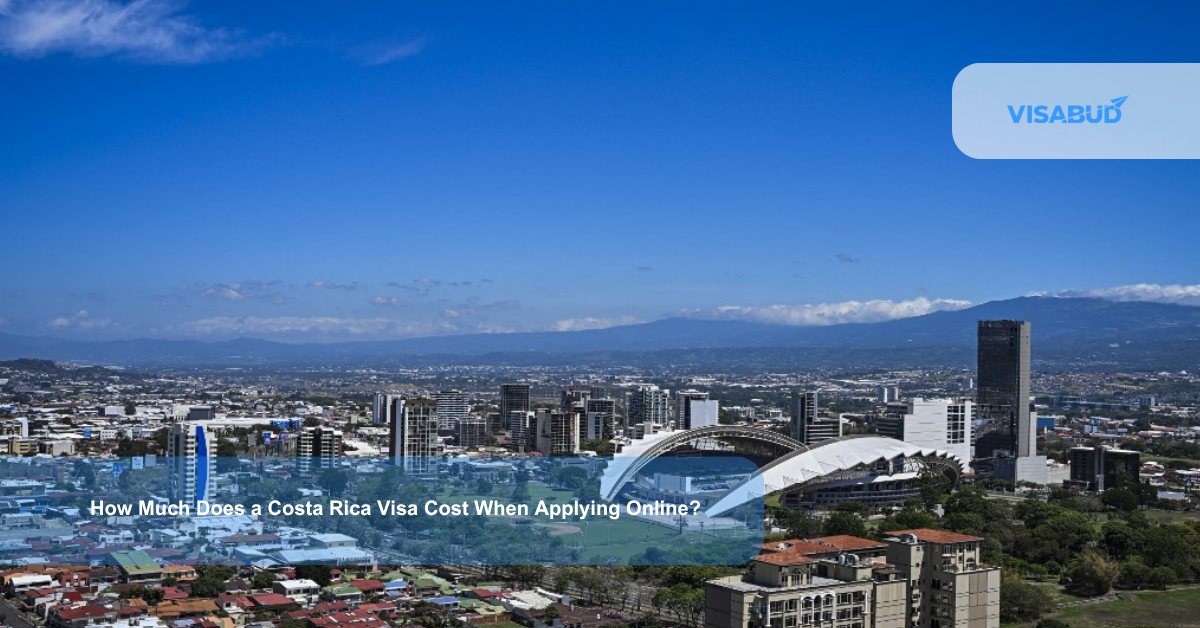
If you’re planning a trip to Costa Rica and trying to figure out what your visa is actually going to cost you, you’re not alone. This is one of the most common questions travelers ask before booking flights, and the honest answer is: it depends on your nationality, the type of visa you need, and how you choose to apply. Some travelers pay nothing at all. Others pay a flat consular fee. And a growing number are applying through the country’s newer digital channels, which come with their own pricing structure.
This guide breaks down exactly what to expect, so you can budget correctly and avoid unnecessary surprises before you land in San José or Liberia.
Do You Even Need a Visa for Costa Rica?
Before talking about cost, it’s worth clarifying something that trips up a lot of first-time visitors: most tourists don’t need a visa at all.
Costa Rica maintains a fairly open policy for short-term tourism. Citizens of the United States, Canada, the United Kingdom, the European Union, Australia, and dozens of other countries can enter visa-free for stays of up to 90 days, as long as they carry a valid passport and can show proof of onward or return travel. If you fall into this category, your “visa cost” is effectively zero you simply show up with your documents.
The visa requirement applies mainly to travelers from countries on Costa Rica’s restricted list, which includes several nations across Africa, Asia, and parts of the Middle East. If your country is on that list, you’ll need to either apply at a Costa Rican consulate or, where available, complete the process online.
The Real Cost Breakdown for an Online Visa Application
When people search for the price of an online Costa Rica visa, they’re usually referring to one of three different processes, each with a different fee structure. It helps to separate these clearly, because mixing them up is where most of the confusion comes from.
1. Consular Tourist Visa (Processed Through Costa Rican Embassies)
For nationalities that require a visa to enter Costa Rica for tourism, the standard consular tourist visa typically costs somewhere in the range of $30 to $50 USD, though this can vary slightly depending on the embassy or consulate handling your application. Some diplomatic missions accept documents submitted digitally by email, with the fee paid via bank transfer or an online payment portal before the visa is issued. This isn’t a fully automated eVisa system, but for many applicants it functions as their “online” application, since no in-person interview is required if the paperwork is in order.
This fee is non-refundable, meaning that even if your application is rejected, you won’t get the money back. That’s one reason it’s worth double-checking your documents before submitting.
2. The Digital Nomad / Remote Worker Visa
This is a separate category entirely, aimed at people who want to live and work remotely from Costa Rica for an extended period rather than just visit. Officially called the Estancia para Trabajadores Remotos, this visa is applied for entirely online through the government’s Trámite Ya platform.
The government processing fee for this visa is $100 USD, paid via bank deposit to Banco de Costa Rica. On top of that flat fee, applicants need to budget for supporting costs that aren’t part of the visa fee itself but are required to qualify :
Approval generally takes around 15 calendar days for the initial review, and once approved, applicants have up to 90 days to enter Costa Rica and complete the final registration steps. The visa itself is valid for one year and can be renewed for a second year if you spend at least 180 days in the country during your first year.
3. Business, Study, and Other Temporary Visa Categories
Costa Rica also issues visas for shorter-term categories like business travel, academic study, or specialized work. These are generally processed through consulates rather than a dedicated online portal, though many consulates now allow document submission via email or an online form. Fees for these categories tend to fall in a similar range to the tourist visa, though business and study visas can sometimes carry additional documentation costs depending on your situation, such as a letter of invitation or proof of enrollment.
What Affects the Final Price You’ll Pay
A few variables consistently change what people end up paying, and they’re worth understanding before you start your application.
Your nationality. Visa fees are not standardized worldwide. A citizen from one country might pay a different amount than a citizen from another, purely based on reciprocal agreements between governments.
Which consulate or platform you use. If you’re applying through a Costa Rican consulate abroad, fees can vary slightly by location due to local currency conversion or administrative charges added at that specific office.
Whether you use a third-party visa service. Companies that offer to handle your Costa Rica visa application for you will charge a service fee on top of the government’s actual visa cost. This can range from an extra $30 to well over $100, depending on how much handholding you want. These services aren’t required. Anyone can apply directly through the official channels but they can be useful if you want someone reviewing your documents before submission.
Processing speed. Standard processing is usually included in the base fee, but some consulates or agencies offer expedited service for an additional charge if you’re short on time before your trip.
Currency conversion and bank fees. If you’re paying a foreign visa fee from a bank account in a different currency, your bank may apply its own conversion fee or international transaction charge, which isn’t part of the visa cost but does affect what leaves your account.
Step-by-Step : Applying for a Costa Rica Visa Online
If your nationality requires a visa and you’re applying digitally, the general process looks like this :
1. Confirm your visa category. Figure out whether you need a tourist visa, a digital nomad visa, or another category based on the purpose and length of your stay.
2. Gather your documents. This typically includes a passport valid for at least six months beyond your travel dates, proof of onward or return travel, proof of accommodation, and proof of sufficient funds. Digital nomad applicants also need income documentation and health insurance proof.
3. Complete the application form. For the digital nomad visa, this happens through the Trámite Ya portal. For consular tourist visas, it may be a downloadable form submitted by email or an online consulate portal.
4. Pay the applicable fee. Payment methods vary; some require a bank deposit to a specified account, while others accept card payments through an online portal.
5. Wait for review. Processing times vary by category, but tourist visas are often processed within about five business days, while the digital nomad visa can take up to 15 calendar days for initial approval.
6. Receive your approved visa. In most digital processes, you’ll get a PDF or email confirmation that you print and carry with your passport when you travel.
Common Mistakes That Add Unnecessary Cost
A surprising number of applicants end up paying more than necessary, usually because of avoidable errors :
ly need a different classification means paying the fee twice, once for the rejected application, and again for the correct one.
Is It Worth Using a Visa Service Instead of Applying Directly?
This depends on your comfort level with paperwork and how much time you have before your trip. Applying directly through official government channels will always be the cheapest route, since you’re only paying the government fee with no markup. A visa service adds convenience document review, faster turnaround in some cases, and support if something goes wrong but that convenience comes at a price.
If your documents are straightforward and you’re not on a tight deadline, applying directly is usually the more cost-effective choice. If you’re dealing with a complicated situation, such as previous visa denials, unusual travel history, or a tight timeline before departure, a reputable service might be worth the added cost for peace of mind.
Final Thoughts
The cost of a Costa Rica visa when applying online isn’t a single fixed number; it depends heavily on your nationality, the purpose of your visit, and which application route you take. Many travelers won’t pay anything at all thanks to Costa Rica’s visa-free policy for short tourist stays. Those who do need a visa are typically looking at somewhere between $30 and $100 USD in government fees, plus any optional service charges if they choose to use a third-party provider.
Before you apply, take a few minutes to confirm your specific requirements based on your passport and trip purpose. It’s a small step that can save you both time and money, and it ensures you’re not caught off guard by fees you didn’t budget for.
Visa fees and requirements change periodically. Always confirm current costs and requirements directly through the official Costa Rican consulate or government immigration platform before submitting payment.
Contact Us for Costa Rica Visa Application Guidance