When you think of the Caribbean, you usually picture the same things: white sand, blue water, and expensive hotels with swimming pools. While Cuba definitely has the beaches, it is not just another holiday island. It is something completely different. Visiting Cuba feels like stepping into a time machine. It is a place where the clocks seemed to stop sixty years ago, and yet, life is more alive there than almost anywhere else.
If you are tired of modern cities that all look the same, with their glass buildings and fast-food chains, Cuba will wake you up. It is raw, colorful, loud, and confusing in the most beautiful way. Here is a simple guide to understanding the lifestyle, culture, and the best places to visit in this fascinating country.
The “Time Capsule” Feeling
The first thing that hits you when you land in Cuba is the cars. You have seen them in photos big, colorful American cars from the 1950s. Chevrolets, Fords, Buicks. Pink ones, bright green ones, sky blue ones.
In most parts of the world, these cars are in museums. In Cuba, they are taxis. They are not just for show; they are the daily ride for thousands of people. This happened because trade with the United States was stopped a long time ago, so Cubans couldn’t buy new cars. They had to keep the old ones running. This created a culture of “fixing” rather than “replacing.”
In our world, if a toaster breaks, we throw it away and buy a new one. In Cuba, they fix it. If a car engine dies, a mechanic will find a way to put a boat engine or a Russian tractor part inside it to make it run. This spirit of survival is everywhere. It gives the country a unique look. The buildings in Havana are old and grand. Some are crumbling, showing their bricks, while others are painted in fresh, bright colors. There are no big flashing billboards for Coca-Cola or McDonald’s. Instead, you see paintings of revolutionary heroes or simple shop signs. This gives your eyes a rest. You are not being sold something every second. You are just being present.
The Lifestyle: Fast Friends and Slow Time
Life in Cuba moves at a different speed. Locals often joke about “Cuban time.” If a bus is supposed to come at 2:00 PM, it might come at 2:30, or 3:00, or maybe not at all. And nobody gets angry. People just wait and talk.
This patience comes from necessity, but it has created a very social culture. Because the internet is not as common or as cheap as in other countries, people are not glued to their phones. When you walk down the street in the evening, you will see families sitting on their front steps. They are playing dominoes, smoking cigars, or just watching the neighbors walk by.
If you are a tourist, don’t be surprised if a stranger starts talking to you. They might ask where you are from or tell you about their cousin who lives in your country. They are not always trying to sell you something; often, they are just curious. The community feeling is strong. Neighbors know each other’s business. If you run out of sugar, you ask your neighbor. If your child is playing in the street, the whole block watches out for them.
There is a word in Cuba called resolviendo. It doesn’t translate perfectly, but it means “solving problems” or “getting by.” It is the art of making things work when you don’t have the resources. It is how they keep those old cars running and how they put dinner on the table when the shops are empty. It is a mindset of creativity that defines the Cuban people.
Culture: Music, Dance, and Cigars
You cannot talk about Cuba without talking about music. It is the heartbeat of the island. You don’t need to go to a concert to hear it. You will hear it coming from open windows, from taxi radios, and from bands playing in restaurants.
The music is a mix of Spanish guitar melodies and African drum rhythms. This mixture is what makes Cuban music so catchy. Styles like Salsa, Son, and Rumba were born here. Dancing is not just for professionals; it is for everyone. At parties, you will see grandmothers dancing with little children. If you visit, try to learn a few basic salsa steps. The locals will love it, even if you are not very good. It shows you respect their culture.
Then there are the cigars. Even if you do not smoke, the process of making them is art. In the countryside, farmers grow tobacco leaves, dry them in special wooden barns, and roll them by hand. It is a tradition passed down from father to son. A real Cuban cigar is made with 100% tobacco, no chemicals. For Cubans, sharing a cigar or a glass of rum is a way to bond and celebrate friendship.
The Food: Simple and Soulful
Cuban food is not spicy like Mexican food. It is savory and comforting. Because of food shortages and trade issues, the ingredients are often simple, but the cooks know how to make them taste good.
The most famous dish is Ropa Vieja. The name literally means “old clothes.” It sounds funny, but the story goes that a poor man once shredded his own clothes to cook because he had no food, and a miracle turned them into meat. In reality, it is shredded beef cooked slowly in a tomato sauce with onions, peppers, and garlic. It is so soft it falls apart.
You will almost always get rice and beans with your meal. Sometimes they are mixed together (called Moros y Cristianos) and sometimes they are served side by side. You will also see a lot of plantains (a type of cooking banana) which are fried until they are sweet and golden.
And you must try the coffee. Cuban coffee is very strong and sweet. It comes in tiny cups, like an espresso shot. It is like rocket fuel. One small cup will wake you up for the whole morning. Locals often dip bread in it for breakfast.
Must-Visit Tourist Destinations
Cuba is a big island, the biggest in the Caribbean. It has cities, mountains, valleys, and thousands of miles of coastline. Here are the top places you should put on your list.
1. Havana (The Heart)
Havana is the capital, and you cannot skip it. It is divided into a few parts, but the most famous is “Old Havana” (Habana Vieja). Walking here is like walking in a museum. The streets are made of cobblestones. You will see grand cathedrals and plazas where people feed pigeons and listen to live bands.
Things to do in Havana:
2. Viñales (The Nature)
If Havana is the loud, busy heart of Cuba, Viñales is the lungs. It is a few hours west of Havana. The landscape here is completely different. It is a big, green valley surrounded by strange, steep limestone hills called mogotes. They look like green mounds rising straight out of the flat ground.
Life here is very rural. You will see farmers plowing fields with oxen instead of tractors. This is where the best tobacco in the world is grown. Things to do in Viñales:
3. Trinidad (The Color)
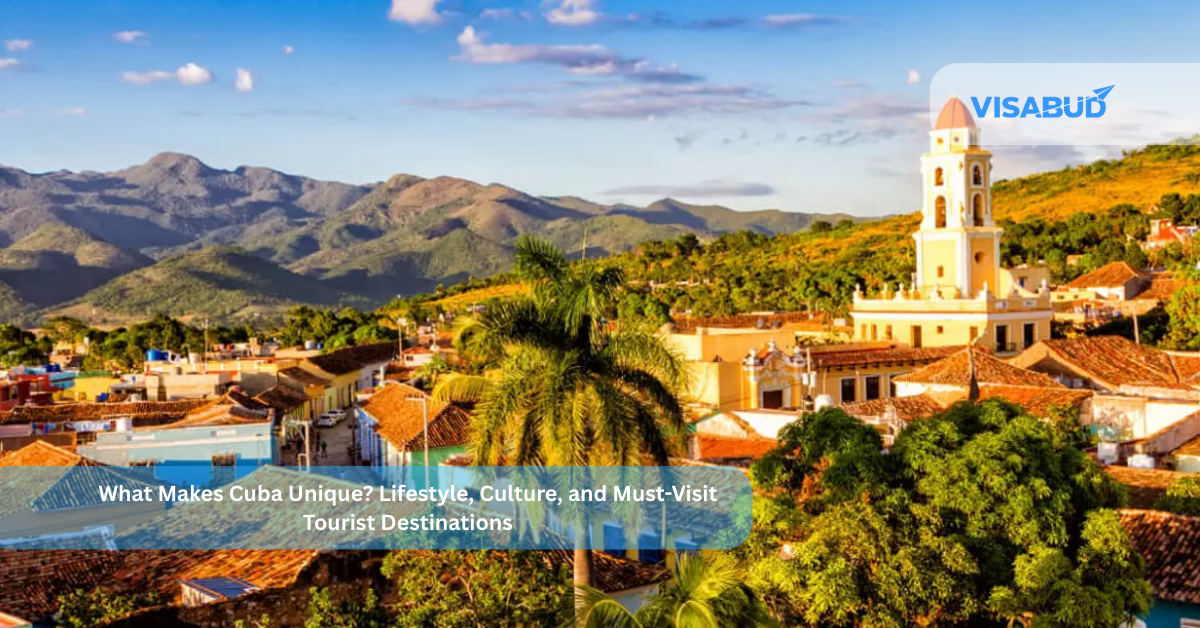
Trinidad is a town that feels like it has been frozen in the year 1850. It is a UNESCO World Heritage site, which means it is protected. No modern buildings are allowed. The houses are painted in bright pastel colors lemon yellow, sky blue, terracotta orange. The streets are made of uneven stones (wear comfortable shoes!).
Things to do in Trinidad:
4. Varadero (The Beach)
If you just want to relax, swim, and drink cocktails, go to Varadero. It is a long, thin peninsula that stretches out into the ocean. It has 20 kilometers of perfect, white sand beach. The water is so clear you can see your toes perfectly even when you are neck-deep.
Varadero is different from the rest of Cuba. It is full of big resort hotels. It is less “cultural” and more about luxury. Many tourists start their trip with the culture of Havana and end it with a few days of rest in Varadero.
Where to Stay: Hotels vs. Casas Particulares
This is a very important tip for understanding Cuba. You can stay in hotels, but they are often expensive and old. The best way to experience the real Cuba is to stay in a Casa Particular.
A Casa Particular is like a Bed and Breakfast. Regular Cuban families rent out extra rooms in their houses to tourists. The government allows this, and it is very safe. You get your own room, usually with a private bathroom and air conditioning.
Why is this better?
1. The Food: The hosts will cook breakfast for you (usually fresh fruit, eggs, bread, coffee) for a small price. It is often much better than hotel food.
2. The Connection: You get to talk to real Cubans. They can give you advice on where to eat or how to get a taxi.
3. The Money: Your money goes directly to a local family, not a big government company.
Important Things to Know Before You Go
Cuba is unique, which means it has some unique rules.
1. Internet is not free flowing: You will not have 4G internet on your phone everywhere like you do at home. In hotels and some public parks, you can buy a scratch card with a code to get on Wi-Fi. This is actually a good thing. It forces you to disconnect and enjoy the moment. Before you leave, download your music and maps.
2. Bring what you need: Shops in Cuba often run out of things. It can be hard to find sunscreen, toothpaste, shampoo, or medicines like painkillers. Put together a “survival kit” that includes all of your toiletries. If you have extra space, bring extra soap or pens. You can give these as small gifts to your hosts or people who help you; they are very appreciated.
3. Cash is King: Credit cards from many countries (especially US banks) do not work in Cuba. You must bring cash (Euros or US Dollars are best) and exchange it there. Do not rely on ATMs. Bring more cash than you think you need, just in case.
4. It is very safe: Despite being a poor country, Cuba is one of the safest places for tourists. Guns are strictly controlled, and the penalties for harming a tourist are severe. You can walk around Havana at night without feeling scared. Of course, use common sense and don’t flash big wads of money but generally, you will feel very secure.
When is the Best Time to Visit?
Cuba is a tropical island, which means it is generally hot. However, there are two main seasons you should know about so your holiday doesn’t get washed away by rain.
The most popular time to go is during the Dry Season, which runs from November to April.The weather is perfect sunny skies, warm days, and cooler evenings. It is not too humid. Because the weather is so nice, this is also when most tourists come. Prices for hotels and flights might be a little higher, and the beaches will be busier. If you want to escape the cold winter in your country, this is the time to go.
The Wet Season (May to October): It is hot and very humid during these months. As soon as you step outside, you will start to perspire.It also rains often, but usually in short, heavy bursts in the afternoon. The sun reappears after the rain. The biggest risk here is hurricane season, which peaks in September and October. If you travel then, keep an eye on the weather forecast. The upside? There are fewer tourists and everything is cheaper.
Getting Around: Buses vs. Shared Taxis
Moving from one city to another (like going from Havana to Trinidad) can be an adventure in itself. You mainly have two choices.
1. Viazul Buses: These are the official buses for tourists. They are modern, have air conditioning (sometimes too much bring a sweater!), and are generally on time. They are safe and comfortable. However, you often need to book tickets days in advance because they sell out quickly.
2. Colectivos (Shared Taxis): This is the real Cuban experience. A colectivo is usually an old American car (like a 1950s Chevy) or a modern station wagon. You share the ride with other tourists going to the same place.
What to Bring Home (Souvenirs)
You cannot leave Cuba empty-handed. Here are the best things to buy that are authentic and support the locals.
1. Rum: Cuban rum is legendary. Brands like Havana Club or Santiago de Cuba are very cheap there compared to other countries. You can buy a high-quality aged bottle for a very low price. It makes the perfect gift.
2. Art: Cubans are incredibly artistic. In Havana and Trinidad, you will find street markets full of paintings. They are colorful, vibrant, and capture the spirit of the island. Buying a painting supports a local artist directly, and it is easy to roll up the canvas and put it in your suitcase.
3. Wooden Handicrafts: You will see many carved wooden items, from domino sets to toy cars (the classic American ones, of course!). These are usually handmade and very durable.
4. Coffee: If you love strong morning coffee, buy a bag of local beans (brands like Serrano or Cubita) to take that taste home with you.
Final Thoughts
Cuba is not a destination for the high-maintenance traveler who needs everything to be perfect. There could be an hour-long power outage. The shower water might not be piping hot. The bus might be late.
But if you can look past these small inconveniences, you will find a country with a heart bigger than any luxury resort. You will find people who smile despite their struggles. You will find music that makes your feet move even if you are tired. You will find a history that is complicated, painful, but deeply proud.
When you return home and tell your friends about your trip, you won’t talk about the fancy hotel room. You will talk about the night you danced in the rain in Trinidad. You will talk about the old taxi driver who told you stories about his grandmother. You will talk about the taste of fresh mango purchased from a roadside cart.
That is the true souvenir of Cuba: the memories of a life lived simpler, slower, and with more passion. Go with an open mind, and Cuba will fill your heart.
Want to explore Cuba’s lifestyle and culture up close? Contact us to plan your perfect Cuba journey.