Denmark is one of the most charming countries in Europe, known for its rich history, vibrant cities, serene landscapes, and friendly locals. If you are planning a trip to Denmark, understanding the country’s tourist spots, lifestyle, and culture can help make your visit smoother and more enjoyable. From Copenhagen’s bustling streets to quiet countryside villages, Denmark offers a variety of experiences that combine modernity with tradition.
Tourist Spots in Denmark
Copenhagen: The Heart of Denmark
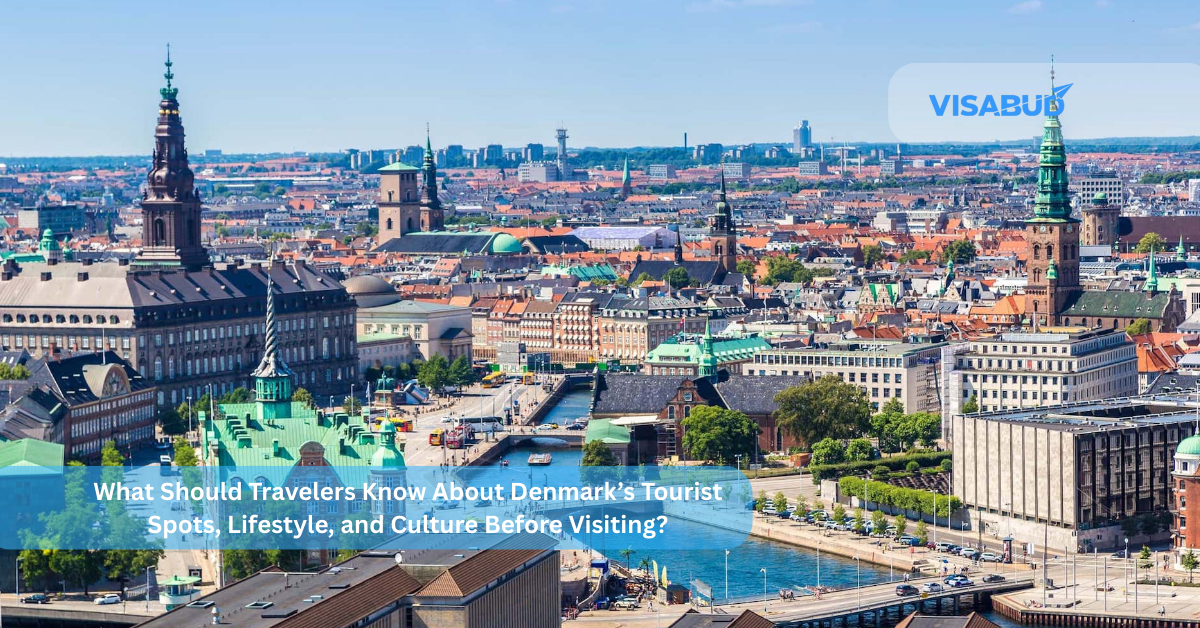
Copenhagen is the capital city and the most popular tourist destination in Denmark. It is famous for its historic landmarks, modern architecture, and cultural activities.
Tivoli Gardens: One of the world’s oldest amusement parks, perfect for families and nightlife lovers.
Nyhavn: Colorful 17th-century waterfront district lined with cafes, restaurants, and boats.
The Little Mermaid Statue: Inspired by Hans Christian Andersen’s fairy tale, a must-see landmark.
Christiansborg Palace: Home to the Danish Parliament and Royal Reception Rooms.
Aarhus and Odense
Aarhus: Denmark’s second-largest city known for museums, art galleries, and a lively student population.
Odense: Birthplace of Hans Christian Andersen, featuring museums dedicated to his life and works.
Scenic Countryside and Islands
Denmark is also famous for its peaceful countryside and picturesque islands.
Bornholm Island: Known for sandy beaches, medieval ruins, and artsy villages.
Roskilde: Famous for the Roskilde Cathedral and annual music festival.
Møns Klint: Stunning chalk cliffs offering hiking and panoramic views.
Unique Experiences
Cycling through Copenhagen is a must; the city is extremely bike-friendly.
Exploring Viking history at the National Museum in Copenhagen or Ribe Viking Center.
Visiting quaint coastal towns to experience Denmark’s calm and scenic lifestyle.
Lifestyle in Denmark
Denmark consistently ranks among the happiest countries in the world. Understanding the Danish lifestyle can make your visit more meaningful.
Work-Life Balance and Pace of Life
Danes value a healthy work-life balance.
People often enjoy long lunches, coffee breaks, and evening walks.
Even in cities, the lifestyle is relatively relaxed compared to other European capitals.
Cycling Culture
Biking is a primary mode of transport for locals.
Most cities have dedicated bike lanes, bike rental options, and even bike-friendly buses.
Tourists are encouraged to experience this, especially in Copenhagen and Aarhus.
Dining and Food Habits
Traditional Danish food includes smørrebrød (open-faced sandwiches), fresh seafood, and pastries like Danish wienerbrød.
Coffee culture is strong; people often enjoy “hygge” (a cozy moment) in cafes.
Many locals prefer organic and sustainable food, which is reflected in restaurants across Denmark.
Social Etiquette
Danes are polite but value personal space.
Punctuality is important; arriving late for meetings or tours is considered rude.
Tipping is optional but appreciated, usually rounding up the bill or 5–10%.
Culture in Denmark
Hygge: The Danish Concept of Coziness
Hygge is more than a word; it’s a lifestyle. It emphasizes comfort, warmth, and spending time with friends or family.
You can experience hygge in cafes, small gatherings, candle-lit dinners, or cozy evenings in a rental home.
Festivals and Traditions
Christmas in Denmark: Known for Christmas markets, festive lights, and traditional foods.
Fastelavn: Danish version of Halloween where children dress up and enjoy sweets.
Midsummer: Celebrated in June with bonfires and music.
Arts, Music, and Literature
Denmark has a rich tradition of literature, with Hans Christian Andersen being the most famous author.
Contemporary music and art thrive in cities like Copenhagen and Aarhus.
Denmark is full of museums and galleries featuring a mix of classic and contemporary art.
Practical Tips for Travelers
Language and Communication
Danish is the main language, but most people speak English too.
Learning basic greetings like “Hej” (Hello) or “Tak” (Thank you) is appreciated.
Transportation
Public transport is efficient, including trains, buses, and metro systems.
Renting a bike is a convenient and enjoyable way to explore cities.
Driving is not necessary unless exploring remote countryside or islands.
Weather and Clothing
Winters (December–February) can be cold with short daylight hours.
Layered clothing, waterproof jackets, and warm shoes are recommended.
Summer is mild and pleasant, ideal for outdoor activities.
Accommodation Options
Hotels, hostels, and Airbnb rentals are widely available.
Consider staying in local homes or apartments to experience Danish hygge.
Booking in advance is recommended, especially during holidays and festivals.
Denmark Essentials
Safety: Denmark is generally very safe; petty theft is rare.
Currency: Danish Krone (DKK). Credit and debit cards are widely accepted.
Electricity: 230V, European plug (Type E/F).
Time Zone: Central European Time (CET).
10 FAQs for First-Time Travelers to Denmark
1. Do I need a visa to visit Denmark?
Most non-EU travelers need a Schengen visa.Check your eligibility before booking.
2. Is Denmark expensive for tourists?
Denmark can be pricey, especially in Copenhagen, but options exist for budget travel such as hostels and public transportation.
3. When is the best time to visit Denmark?
Summer (June–August) is ideal for outdoor activities. Winter is charming for festivals but colder and with shorter days.
4. Can I use English everywhere in Denmark?
Yes, English is widely spoken, especially in cities, tourist areas, and restaurants.
5. How do I experience Danish culture properly?
Participate in local festivals, try Danish food, visit museums, and enjoy hygge moments in cafes or homes.
6. Is Denmark safe for solo travelers?
Yes, Denmark is considered one of the safest countries for solo travel. Nighttime precautions are still advised.
7. Do I need to tip in Denmark?
Tipping is not mandatory but appreciated. Tipping around 5–10% or simply rounding up the bill is customary in restaurants.
8. Can I rent a car in Denmark?
Yes, but public transport and cycling are often more convenient in cities.
9. Are there any cultural taboos I should know?
Avoid being late for appointments, respect personal space, and don’t interrupt conversations unnecessarily.
10. What local foods should I try?
Smørrebrød, Danish pastries, herring dishes, meatballs, and seasonal desserts are must-tries.
Conclusion
Visiting Denmark is an unforgettable experience, offering a unique blend of modern cities, historic landmarks, and tranquil countryside. Understanding the lifestyle, culture, and tourist spots can make your trip smoother and more enjoyable. Whether you are cycling in Copenhagen, exploring Viking history, enjoying Danish pastries, or experiencing hygge with locals, Denmark has something for every type of traveler. Proper planning, understanding local customs, and following basic tips can help you enjoy the best of what Denmark has to offer.
Traveling with this knowledge ensures that your visit will not only be fun but also meaningful and culturally enriching. Denmark is ready to welcome you with open arms, friendly smiles, and unforgettable experiences.
Make Your Denmark Trip Stress-Free – Contact Us for Advice and Assistance!