Bonaire is a peaceful Caribbean island known for its relaxed lifestyle, deep-rooted Afro-Caribbean and Dutch culture, and some of the world’s best marine experiences. Life here moves slowly, nature is protected, and the island blends local traditions with modern comforts. From colorful towns and salt flats to coral reefs and national parks, Bonaire is ideal for travelers seeking authenticity, calm, and outdoor adventure.
Understanding Bonaire at a Glance
Bonaire is located close off the coast of Venezuela and is a part of the Dutch Caribbean.Unlike crowded resort destinations, the island focuses on sustainability, community living, and preserving its natural environment. Tourism exists, but it never overwhelms daily life.
People come to Bonaire not for nightlife or luxury malls, but for:
Bonaire’s Culture: A Blend of Heritage and Harmony
Cultural Snapshot
Bonaire’s culture is shaped by African roots, indigenous influences, and centuries of Dutch connection. The result is a warm, welcoming society that values respect, music, family, and tradition.
Local languages reflect this diversity:
This multilingual environment makes communication easy for visitors while preserving local identity.
Daily Cultural Life
Culture in Bonaire is not confined to museums it’s visible in everyday life:
Religion, particularly Christianity, plays a quiet but important role in community values.
Lifestyle in Bonaire: Slow, Simple, and Intentional
Living Pace
Life on the island follows a “no rush” rhythm. Shops may close earlier than expected, and schedules are flexible. This slower pace is intentional and deeply appreciated by residents.
Many newcomers notice:
Cost of Living & Practical Life
Because Bonaire imports many goods, everyday items can be more expensive than on the mainland. However, residents adapt by:
Transportation is minimal; many people walk, bike, or drive short distances. Traffic is almost nonexistent.
Food Culture: Simple, Local, and Flavorful
What Do People Eat in Bonaire?
Bonairean cuisine reflects island life fresh, hearty, and unpretentious.
Common local dishes include:
Meals are often home-cooked and shared with family. Dining out is relaxed, with beachfront restaurants offering fresh seafood and Caribbean flavors.
Must-Visit Spots in Bonaire
Kralendijk – The Heart of the Island
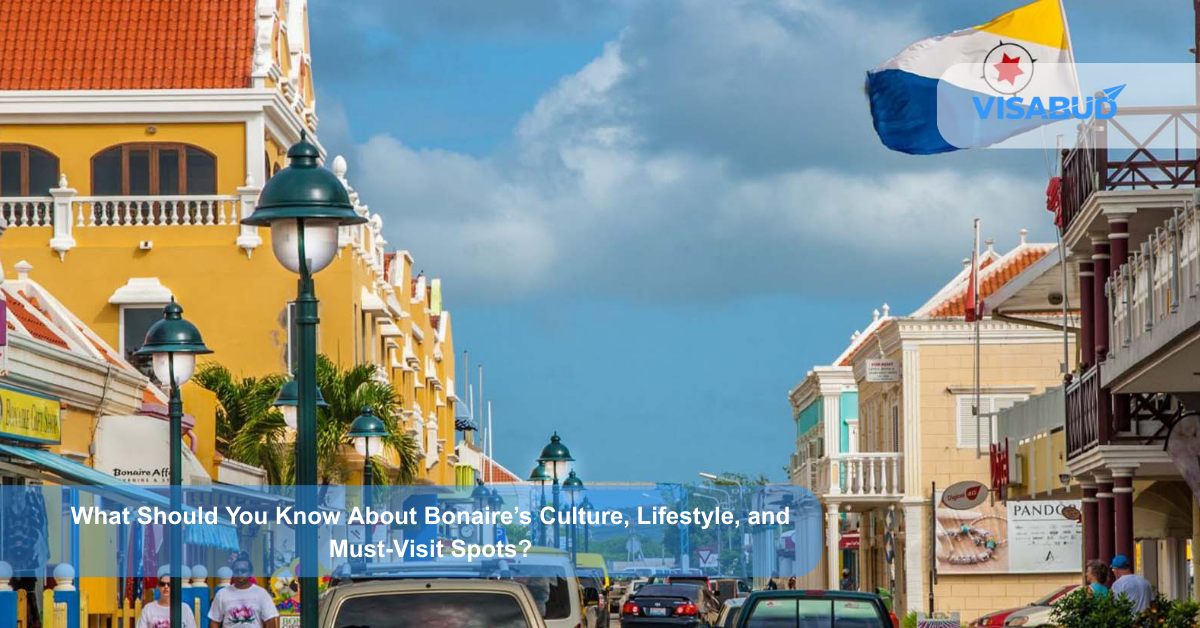
Kralendijk is Bonaire’s main town. It’s colorful, friendly, and easy to explore on foot.
What you’ll find:
It’s the best place to experience everyday island life.
Bonaire National Marine Park
This protected marine area surrounds the entire island and is one of the main reasons people visit Bonaire.
Why it matters:
Even beginners can enjoy underwater views without boats or special equipment.
Washington Slagbaai National Park
Located in the northern part of the island, this park covers nearly 20% of Bonaire’s land area.
Expect:
It’s perfect for travelers who enjoy nature, photography, and solitude.
Salt Flats and Flamingos
Bonaire’s salt flats are both visually striking and historically important.
Highlights:
This area shows how industry and nature coexist respectfully on the island.
Festivals and Traditions You Should Know
Carnival
Bonaire’s Carnival is colorful and deeply cultural. Music, dance, and costumes fill the streets, reflecting African and Caribbean roots.
Dia di Rincon
Celebrated in the island’s oldest village, this festival honors local history with traditional food, music, and clothing.
These events are not staged for tourists, they’re genuine community celebrations.
What Makes Bonaire Different from Other Caribbean Islands?
Focus on Conservation
Bonaire is known worldwide for environmental protection. Visitors pay nature fees that directly support conservation efforts.
Less Commercialization
You won’t find massive resorts or loud nightlife districts. Development is controlled to protect the island’s character.
Community-Centered Living
People know each other. Businesses are often family-run. Relationships matter more than speed or profit.
Is Bonaire a Good Place to Visit or Live?
For Travelers
Bonaire is ideal if you:
It may not suit travelers looking for luxury shopping or party scenes.
For Long-Term Living
People who move to Bonaire often value:
Adaptability and respect for local customs are essential for settling in comfortably.
Practical Tips Before Visiting Bonaire
Final Thoughts
Bonaire is not a place you rush through it’s a place you slow down in. Its culture is grounded, its lifestyle intentional, and its natural beauty carefully protected. Whether you visit for a week or consider staying longer, the island offers a rare opportunity to experience Caribbean life without noise, pressure, or excess.
For those seeking authenticity, balance, and meaningful travel, Bonaire quietly delivers more than expected.
Want to know more about Bonaire? Contact us