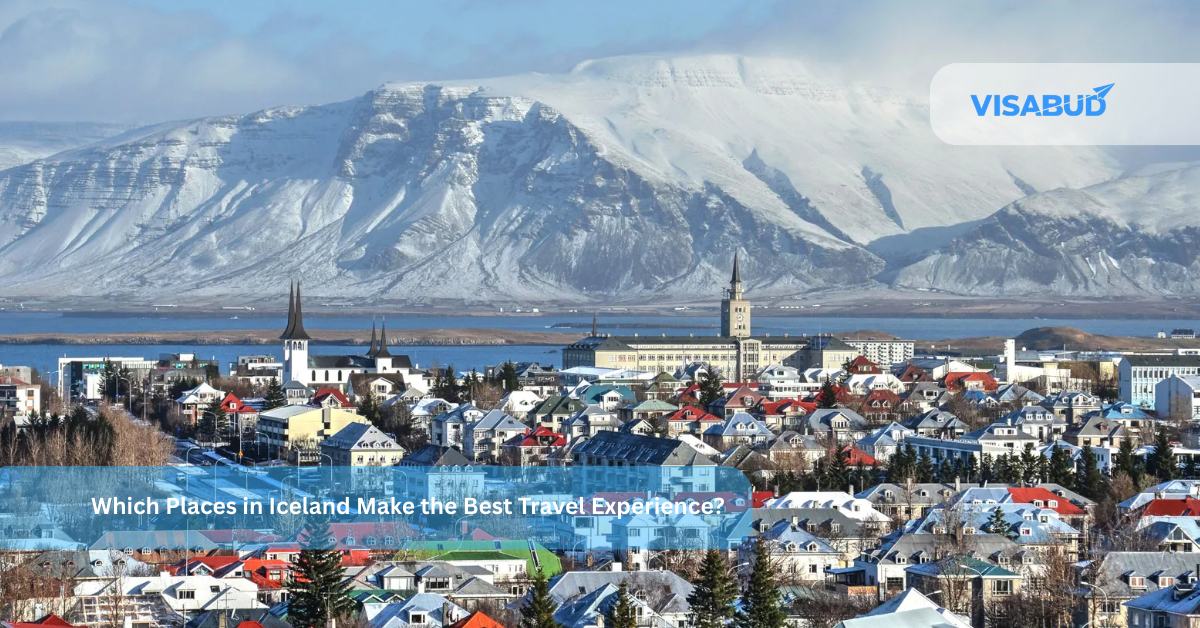
The best travel experiences in Iceland center on the South Coast for accessible wonders like Skógafoss and Reynisfjara, and the Golden Circle for tectonic history at Thingvellir. For solitude, the Westfjords offer dramatic hikes at Dynjandi, while the Highlands provide raw adventure in Landmannalaugar. The Snaefellsnes Peninsula captures the country’s diverse geology in a single day, offering a microcosm of glaciers, lava fields, and coastlines.
Why is the Golden Circle the essential first stop?
For most travelers, the Golden Circle is the non-negotiable introduction to Iceland’s geological violence. It is not a single location but a 190-mile (300-kilometer) driving loop starting from Reykjavik that covers three “atomic” sights: Thingvellir National Park, the Geysir Geothermal Area, and Gullfoss Waterfall.
Thingvellir National Park offers a tangible lesson in plate tectonics. This location offers the unique opportunity to walk between the North American and Eurasian continents without having to go underwater.Walking through the Almannagjá gorge, you are literally strolling between continents. Unlike other natural sites, parking here requires a fee (approximately 750 ISK). To save time, download the “Parka” app before you arrive to handle the payment digitally.
Strokkur Geyser, located in the Haukadalur valley, provides the reliable thrill that the dormant Great Geysir no longer offers. Erupting every 6–10 minutes, it shoots boiling water up to 20 meters (65 feet) into the air. For the best photography, stand upwind to avoid the sulfurous steam and set your shutter speed to at least 1/1000 to capture the blue bubble that forms milliseconds before the explosion.
Gullfoss (Golden Falls) completes the trio. This massive two-tiered waterfall drops 32 meters into a narrow canyon, creating a sensory experience where the ground vibrates beneath your feet. In winter, the lower viewing platform is often closed due to ice, but the upper view remains spectacular.
Where can I find the most dramatic waterfalls and black sand?
The South Coast along Route 1 is the heavyweight champion of Icelandic scenery. This stretch of road features a high density of “bucket list” locations that are easily accessible from the main highway, making it perfect for self-drive tours.
Seljalandsfoss is famous as the waterfall you can walk behind. The path takes you into a dripping cavern behind the curtain of water, offering a unique perspective. However, this is a wet experience. Waterproof pants and a shell jacket are mandatory here; jeans will leave you shivering for the rest of the day.
Just a short drive east lies Skógafoss, a 60-meter drop that is as classic as it is powerful. While the view from the bottom is iconic, the real “boots-on-the-ground” tip is to climb the 527 steep metal steps to the observation platform. This marks the start of the Fimmvörðuháls hiking trail. Walking just the first kilometer upstream from the top reveals “Waterfall Way,” a stunning canyon with over 20 distinct waterfalls that most tourists completely miss.
Further east, near the village of Vík, is Reynisfjara Black Sand Beach. Famous for its basalt column cliffs and the Reynisdrangar sea stacks, the contrast of white foaming waves against jet-black volcanic sand is visually arresting. A critical safety warning applies here: Reynisfjara is known for “sneaker waves”—sudden, powerful surges that push far higher up the beach than expected. Fatalities occur here; never turn your back on the ocean and stay well clear of the waterline.
Is the drive to Jökulsárlón Glacier Lagoon worth the effort?
Absolutely. Jökulsárlón is arguably the most unique site in Iceland. Located about 5 hours (380 km) east of Reykjavik, it is best visited as an overnight trip. The lagoon is filled with massive icebergs that calve off the Breiðamerkurjökull glacier, floating in the deep blue water before drifting out to sea.
Directly across the street lies Diamond Beach, where these icebergs wash ashore on black sand. Polished by the waves, the ice chunks resemble giant diamonds. The best time to visit is at sunrise or sunset when the low light refracts through the clear blue ice, creating a glowing effect that harsh midday light washes out.
For a closer look, boat tours are available. The Zodiac tours are smaller and faster than the Amphibian boats, allowing you to get closer to the glacier wall and the resident seals. These tours fill up weeks in advance during summer, so booking ahead is essential.
How do I access the remote wilderness of the Westfjords?
If you want to escape the crowds of the Ring Road, the Westfjords (Vestfirðir) are the answer. This peninsula in the northwest receives fewer than 10% of the country’s visitors.
Dynjandi is the jewel of the region, a series of waterfalls culminating in a massive bridal-veil cascade. It is grander and more complex than Skógafoss but requires a drive over mountain passes that can be challenging for nervous drivers.
The Látrabjarg Bird Cliffs mark the westernmost point of Iceland. These cliffs are up to 440 meters high and are one of the best places in the world to see Atlantic Puffins. The puffin season is strictly from mid-May to mid-August. By late August, the birds return to the open ocean. Because the cliffs are made of loose soil, the safest way to view the birds is to lie on your stomach and crawl to the edge.
Can I see everything in one day on the Snaefellsnes Peninsula?
Known as “Iceland in Miniature,” the Snaefellsnes Peninsula offers a sample of every Icelandic landscape within a manageable driving loop.
Kirkjufell, the “Church Mountain,” is the most photographed mountain in Iceland, famously featured in Game of Thrones. The classic shot includes the Kirkjufellsfoss waterfall in the foreground. Expect to see tripods lining the path.
Arnarstapi offers spectacular coastal erosion with natural stone arches like Gatklettur. Nearby, at Djúpalónssandur black pebble beach, you can test your strength on the “lifting stones” historically used to test fishermen. The stones range from 23kg to 154kg; lifting the heaviest was the requirement for a paid position on a boat.
How do I navigate the Highlands and F-Roads?
The Highlands represent the uninhabited interior of Iceland, characterized by rhyolite mountains, hot springs, and unbridged rivers. Access is strictly limited to the summer months (late June to early September) when the snow melts.
Landmannalaugar is the premier destination here, famous for its multicolored mountains painted in streaks of red, green, and yellow. It is also the starting point for the famous Laugavegur trek. After hiking, you can bathe in a natural geothermal river where boiling underground water mixes with cold spring water.
Driving here requires an F-Road compliant vehicle, typically a 4×4 with high clearance. Standard rental insurance often excludes water damage, so crossing rivers is a significant financial risk. If you are inexperienced, take a “Super Jeep” tour or the specialized Highland Bus (Trex or Reykjavik Excursions) to reach these areas safely.
Which options to the Blue Lagoon are the best?
While the Blue Lagoon is famous, it is often crowded and expensive.
What essential gear is needed to survive the elements?
The Icelandic motto is “Cotton kills.” When wet, cotton loses its insulating properties and saps body heat.
What does authentic Icelandic food taste like?
Icelandic cuisine is born from survival, utilizing preservation methods like smoking and fermenting.
Practical Logistics : Weather, Driving, and Safety
Weather: The wind is the primary danger. Gusts can rip car doors off their hinges; always hold the door firmly with two hands when opening it. Check Vedur.is for forecasts and Road.is for road conditions daily.
Driving: The speed limit on paved highways is 90 km/h (56 mph). Fines are severe, and speed cameras are widespread. Sheep roam free and have the right of way; always slow down if you see them near the road.
Connectivity: Iceland has excellent 4G/5G coverage. Download the 112 Iceland app for emergency check-ins and SafeTravel.is for real-time hazard alerts.
Final Words
The best travel experience in Iceland isn’t found in a single photo spot but in the confrontation with nature’s raw power. Whether it’s the silence of a moss-covered lava field or the roar of a glacial waterfall, Iceland demands your full attention. By respecting the fragile environment staying on marked paths and leaving no trace you ensure these landscapes remain pristine for the next generation of explorers. Plan for the weather, respect the ocean, and let the landscape dictate your journey.
Planning a trip to Iceland? Contact Us for travel guidance
Author Details
Author : Santosh Avarolli
Title / Role : SEO @ Aalpha Information Systems
Professional Profile / LinkedIn: https://www.linkedin.com/in/santosh-avarolli-aa3667353/