TL;DR
Mozambique is one of the few places in Africa where you can swim in turquoise water in the morning and walk through centuries-old Swahili-Portuguese streets in the afternoon. The best places to combine the two are Ilha de Moçambique (UNESCO-listed island town), Ibo Island in the Quirimbas Archipelago (silversmiths and crumbling forts), Inhambane and Tofo (colonial charm plus world-class ocean life), Vilankulo and the Bazaruto Archipelago (dhow culture and island beaches), and Maputo with Inhaca Island (city culture plus an easy island escape). Travel in the dry season (roughly May to October), mix a cultural base with a beach stay, and always check current safety advisories for the north before booking.
Introduction : A Coastline With Two Souls
Mozambique stretches along roughly 2,500 kilometres of Indian Ocean coastline, and for more than a thousand years that coast has been a crossroads. Swahili and Arab traders sailed here on the monsoon winds long before Europeans arrived. Then, from the early 1500s, the Portuguese built forts, churches and trading posts, and stayed until independence in 1975. The result is a culture that is neither purely African, Arab nor European, but a layered blend of all three.
You can still taste it in the food, hear it in the music, see it in the whitewashed churches beside coral-stone mosques, and watch it in the wooden dhows that still sail from the same shores. Best of all for travellers, many of these culturally rich places sit right beside some of the most beautiful beaches in the Indian Ocean.
If you want a trip that is more than sun and sand, here are the destinations that deliver both.
1. Ilha de Moçambique : The Cultural Heart of the Coast
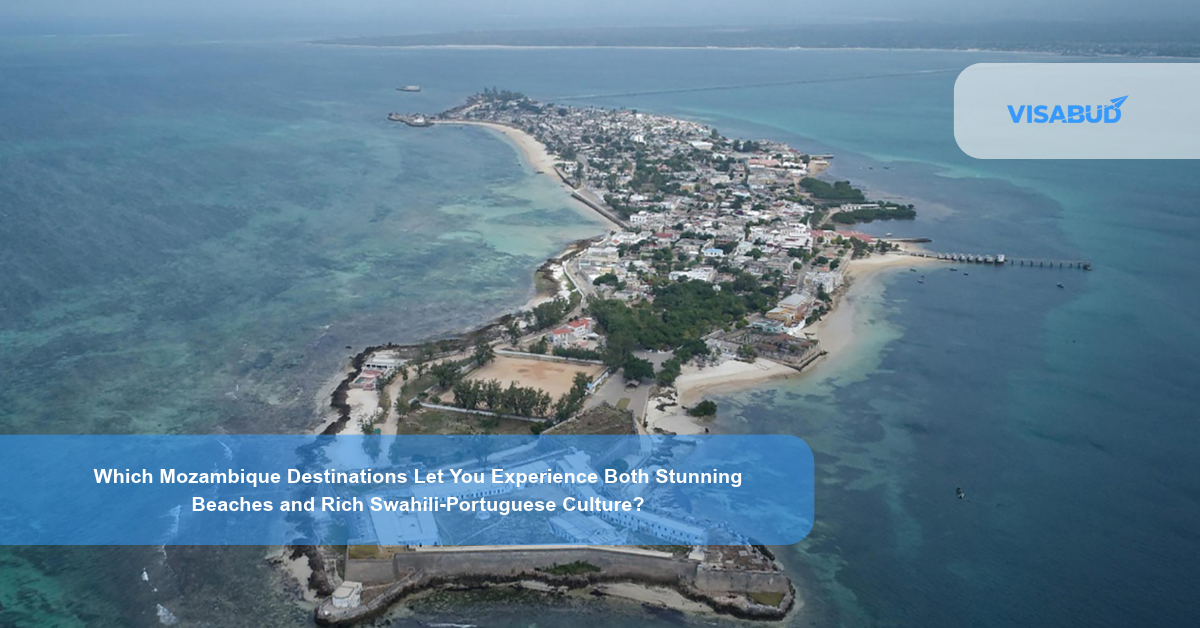
If you only have time for one cultural destination, make it Ilha de Moçambique. This small coral island in northern Mozambique was the Portuguese colonial capital for centuries and a major Swahili trading hub before that. It was inscribed as a UNESCO World Heritage Site in 1991, and walking its narrow streets feels like stepping into a living museum.
What makes it special
The island is divided in two. On one side is Stone Town, with Portuguese-era buildings, a grand hospital, palaces and churches. On the other is Macuti Town, where residents live in modest homes roofed with palm thatch and where daily life spills into the lanes. The contrast tells the story of the island better than any guidebook.
What to see and do
The beach side
The island itself is not a classic resort beach, but nearby shores and the surrounding waters are gorgeous. Small boats can take you to quiet sandbanks and to neighbouring islets such as Goa Island and Sena Island, where the water is clear and the crowds are nonexistent. Pair a few cultural days here with a beach stay in the Nacala or Lumbo area for the full effect.
Best for: history lovers, photographers and slow travellers.
2. Ibo Island, Quirimbas Archipelago : Silver, Forts and Castaway Beaches
Further north, the Quirimbas Archipelago is a chain of coral islands scattered along the coast of Cabo Delgado. Its most culturally significant island is Ibo, a quiet, atmospheric place where time seems to move slowly.
Cultural highlights
Ibo was an important trading post for ivory, spices and, tragically, enslaved people. Today it is known for its faded colonial mansions, its star-shaped Fort of São João Baptista, and its tradition of silversmithing. Local artisans craft fine filigree jewellery by hand, and you can often watch them work and buy directly from the maker, which is a great way to support the community.
The islands also reflect a strong Swahili influence, from language and dress to the dhows that still ferry people and goods between the islands.
The beach experience
The real draw is how effortlessly Ibo combines culture with the sea. Spend the morning exploring the old town, then take a dhow to a deserted sandbank, snorkel over healthy coral, or drift past mangroves. Nearby islands such as Matemo and Medjumbe offer more luxurious, secluded beach stays if you want comfort after a day of exploring.
A practical note
Parts of Cabo Delgado province have experienced security problems in recent years. Before planning a trip to the Quirimbas, check your government’s current travel advisory and speak with a local operator who knows the situation on the ground.
Best for: craft lovers, couples and travellers who enjoy off-the-beaten-path places.
3. Inhambane and Tofo : Colonial Charm Meets the Wild Atlantic… Indian Ocean
For many visitors, southern Mozambique is the easiest place to blend beach life with culture, and the Inhambane and Tofo area does it brilliantly.
Inhambane : the old town
Inhambane is one of the oldest settlements on the coast, with a history stretching back to Swahili traders and later Portuguese colonists. Today it is a relaxed, palm-lined town with a faded colonial centre, a lovely waterfront and an unhurried pace. Stroll past old churches and pastel-coloured buildings, stop for coffee or fresh juice, and watch the traditional dhows cross the bay to Maxixe.
The local market is a highlight. Look for fresh seafood, cashew nuts, spices, handwoven baskets and bright capulana cloth, the colourful wrap fabric worn by women across Mozambique.
Tofo : the beach side
Just a short drive away, Tofo Beach is a long stretch of golden sand with a laid-back, bohemian atmosphere. It is famous for ocean life. Divers and snorkellers come to swim with manta rays and whale sharks, and between roughly June and October, humpback whales pass through on their migration. After a day in the water, you can eat grilled prawns at a beachfront shack and listen to live music as the sun goes down.
Why it works
Base yourself in Tofo, then take a day trip into Inhambane for history, markets and local flavour. Because the two are so close, you do not need to choose between beach and culture.
Best for : divers, backpackers, foodies and first-time visitors.
4. Vilankulo and the Bazaruto Archipelago : Dhows, Dunes and Island Life
Most travellers know the Bazaruto Archipelago for its postcard-perfect scenery : white dunes, warm clear water and rare marine life, including dugongs. What many overlook is how much culture sits behind the scenery.
Vilankulo
The mainland town of Vilankulo is the gateway to the islands. It is a lively, down-to-earth coastal town where traditional wooden dhows are still built and used. Spend an afternoon at the waterfront, chat with boat builders, and enjoy fresh seafood at a local restaurant. The town offers a glimpse of everyday Mozambican life that you will not find inside a resort.
The islands
Bazaruto, Benguerra, Magaruque and Santa Carolina each offer a different experience. Take a traditional dhow for a day of snorkelling, sandboarding on the high dunes and picnicking on deserted beaches. On the larger islands, you can visit fishing communities and learn how families live off the sea.
Why it works
The archipelago proves that a beach holiday can still be a cultural one. Sailing on a dhow, the same type of vessel that carried Swahili traders for centuries, connects you directly to the history of the coast.
Best for : honeymooners, families and nature lovers who still want a cultural touch.
5. Maputo and Inhaca Island : City Culture With an Island Escape
Mozambique’s capital is often treated as a stopover, but it deserves more time. Maputo has a distinctive mix of Portuguese colonial design, Art Deco and Brutalist architecture, tree-lined avenues, vibrant art spaces and a famously good food scene.
What to see in Maputo
Inhaca Island
When you need a beach break, Inhaca Island is an easy escape. It lies across Maputo Bay and can be reached by ferry or a faster boat. Here you can snorkel, walk along quiet shores and visit local fishing villages. It is not as remote or luxurious as Bazaruto, but it is far easier to fit into a short trip.
Best for : short stays, food lovers, art enthusiasts and travellers on a tighter schedule.
What Does “Swahili-Portuguese” Culture Actually Look Like?
It helps to know what to look for, because the blend appears everywhere once you start noticing it.
Food. Mozambican cooking combines Portuguese techniques with African ingredients and Indian Ocean spices. Think peri-peri chicken, creamy matapa (cassava leaves cooked with coconut and peanuts), grilled tiger prawns, and fresh seafood stews. Coconut, cashew and chilli appear again and again.
Architecture. Coral-stone buildings, carved wooden doors, flat-roofed Swahili houses and Portuguese churches and forts stand in the same streets, sometimes within a few steps of each other.
Language. Portuguese is the official language, but dozens of local languages are spoken, and Swahili influence is especially visible along the northern coast.
Music and dance. Marrabenta, Timbila xylophone music and coastal rhythms reflect the blending of local traditions with outside influences.
Fabric and craft. The colourful capulana, Makonde carvings, and Ibo’s silver filigree are all expressions of local identity shaped by centuries of trade.
How to Combine Beaches and Culture in One Trip
Here are three simple ways to plan, depending on how much time you have.
One week (south): Fly into Maputo and spend two nights exploring the city. Continue to Inhambane and Tofo for four nights, splitting your time between the beach, the ocean and day trips into town.
Ten days (central and south): Start in Maputo, travel to Vilankulo, and spend three or four nights exploring the Bazaruto Archipelago by dhow. Finish in Tofo for ocean life and a more relaxed pace.
Ten to twelve days (north): For travellers comfortable with more adventurous routes, fly to Pemba or Nampula, spend several days on Ilha de Moçambique, then continue to the Quirimbas for a quiet island stay. Always confirm the current security situation first.
Practical Tips for Travellers
Which Destination Should You Choose?
If you want the deepest cultural experience, choose Ilha de Moçambique. For quiet, romantic island life with local craftsmanship, go to Ibo. For an easy mix of ocean adventure and colonial-era charm, pick Inhambane and Tofo. For classic island scenery with authentic dhow culture, head to Vilankulo and Bazaruto. And if you want city energy plus a short island escape, combine Maputo and Inhaca.
No matter which you choose, the real magic of Mozambique lies in the combination: a morning swim in warm, clear water, an afternoon in a centuries-old town, and an evening of grilled prawns and live music by the sea.
Final Thoughts
Mozambique rewards travellers who look beyond the beach. Its coastline holds a long, layered story of trade, migration and cultural exchange, and that story is still visible in its streets, markets, kitchens and boats. Whether you spend a week in the south or a longer journey up the northern coast, you will find places where beautiful beaches and rich Swahili-Portuguese heritage exist side by side.
Pack your swimsuit, bring your curiosity, and let the coast surprise you.
Contact Us to Plan Your Mozambique Trip