TL;DR
First, an honest word about safety
A cost guide that ignored safety would be doing you a disservice. As of late 2026, the US State Department rates Mali Level 4, “Do Not Travel,” citing terrorism, kidnapping, crime, unrest and health risks. The UK and Canadian governments also advise against all travel, and the UK warns that foreigners, including tourists, can be targeted for kidnapping.
There is a practical entry issue too. Mali suspended visa issuance for US citizens from January 2026, with limited exceptions, and has reportedly used additional bond requirements in the dispute. Rules differ by nationality and change quickly, so confirm everything with the nearest Malian embassy or consulate before you plan.
Why does this belong in a budget article? Because safety directly changes what a trip costs. Many travel insurers will not cover countries under a “do not travel” advisory, and the price of staying safe (vetted drivers, reliable local contacts, flexible tickets) is rarely small. Treat the numbers below as a planning reference for understanding the destination, not as encouragement to go. Check your own government’s current advice first.
Why Mali looks cheap on paper
One of the less expensive nations in West Africa is Mali. The currency, the CFA franc (XOF), trades at roughly 590–600 to the US dollar at the time of writing, and everyday goods such as street food, bus tickets and basic guesthouse rooms are inexpensive by international standards.
But the low prices apply mainly to things locals buy. Anything built for foreign visitors, such as guided cultural experiences, airport transfers and well-regarded hotels, costs noticeably more, and the country’s tourism infrastructure has shrunk in recent years. Fuel shortages and disruptions on key roads have also pushed some prices up and made timetables unreliable. Build in a buffer of at least 20 to 30 percent.
Costs before you leave
Flights
Flights will almost certainly be your largest single cost. Bamako’s Modibo Keïta International Airport is the main entry point, served by a limited set of carriers via hubs such as Paris, Casablanca, Istanbul, Addis Ababa and Dakar or Abidjan.
These are broad estimates. Fares swing with the season, airline schedules and the security situation, and some routes are cut with little notice. Book flexible or refundable tickets where you can, even if they cost more up front.
Visa
Most nationalities need a visa arranged before travel. Published figures vary by source and nationality, but a single-entry tourist visa commonly runs around €70–150 (about US$75–160). Processing can take weeks, and you may be asked for a passport valid six months beyond entry, a return ticket, proof of accommodation, passport photos and an invitation or hotel booking.
Because fees and eligibility are changing, rely only on your nearest Malian embassy for the final number, and budget a small extra amount for courier, photocopies and photographs.
Vaccines and health
A yellow fever certificate is typically required for entry. Expect to pay US30–80forthevaccine,dependingonyourcountry.Yourclinicmayalsorecommendtyphoid,hepatitisA,meningitisandroutineboosters.Malariaisasignificantrisk,andprophylaxiscancostUS20–60 for a short trip. Add a basic medical kit, water purification tablets and insect repellent, roughly US$30–50.
Travel insurance
This is where many budget plans fall apart. Standard policies often exclude destinations with a “do not travel” advisory. Specialist cover that includes medical evacuation can cost US$150–500 or more for a short trip, and some insurers will simply decline. Without evacuation cover, a serious medical problem could cost tens of thousands of dollars. Do not travel uninsured to save money.
Daily costs on the ground
Prices below are typical ranges for a budget traveler in Bamako and along the main road corridor. Remote areas can cost more because everything is trucked in.
Accommodation : US$10–35 per night
Air conditioning and a reliable generator are worth paying extra for in the hot season, when temperatures can pass 40°C and power cuts are common.
Food : US$5–12 per day
Food is the happiest part of a Mali budget. Street stalls and small restaurants serve filling dishes for very little :
Eat where locals eat, choose food that is cooked fresh and hot, and avoid raw salads and ice if your stomach is sensitive. Drink only bottled or treated water.
Local transport : US$3–25 per day, depending on the route
Within Bamako, shared taxis and minibuses (sotrama) cost pennies, and short taxi rides run US$1–4 after bargaining. Between cities, buses and shared vehicles are the budget choice :
Cheap transport comes with trade-offs. Many overland routes are considered dangerous, and official advice warns about road attacks, checkpoints and banditry. A hired driver with a vetted vehicle can cost US$50–120 per day, which is a major swing factor in your budget.
Sights and activities : US$0–20 per day
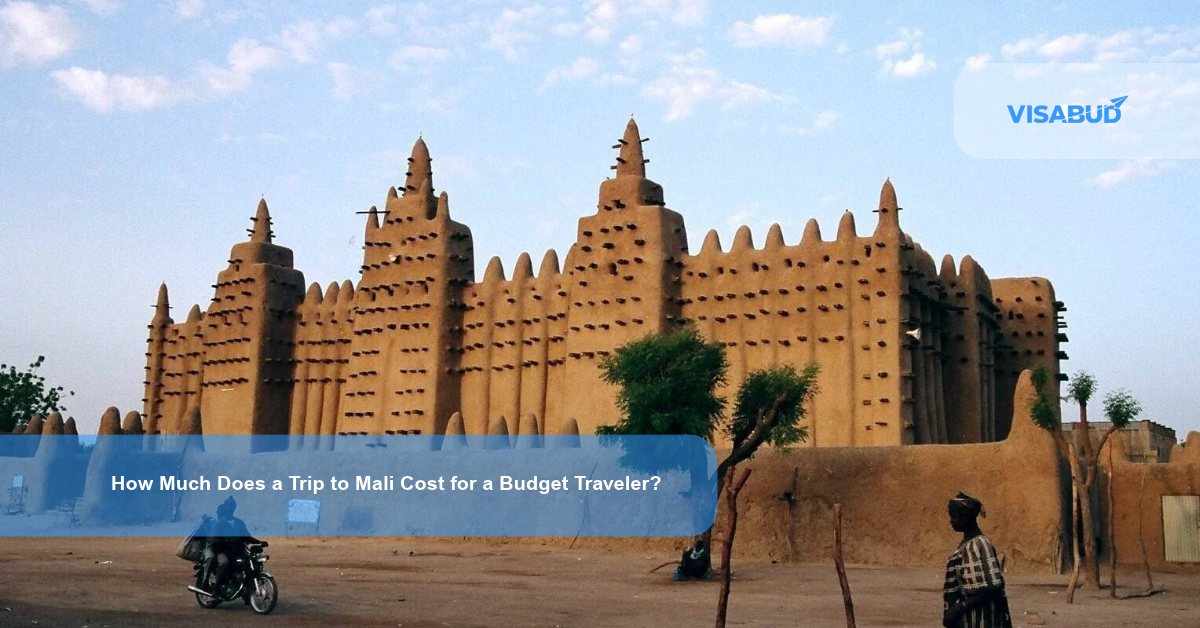
Heritage sites usually charge modest entrance fees, often a few dollars, plus compulsory local guide fees. A guide for a day in a historic town typically costs US$10–25. Photography permits for some sites add a small fee. Access to northern destinations such as Timbuktu is extremely limited, and costs there can be several times higher, if travel is possible at all.
Connectivity and small extras : US$2–5 per day
A local SIM card with data costs only a few dollars and is far cheaper than roaming. Budget a little for tips, bottled water, small gifts or donations, and unexpected fees.
Sample budgets
The figures below exclude flights and are estimates only.
A realistic 10-day total
Here is a sample trip for a European or Indian traveler on a tight but sensible budget:
Most travelers should plan around US$1,800–2,400 to leave room for the unexpected.
The hidden costs that catch people out
Cash is king. Card acceptance is rare outside a few Bamako hotels, and ATMs can be unreliable or empty. Bring clean, undamaged euros or US dollars to exchange, and carry small CFA notes for everyday purchases.
Money exchange rates. Official banks give fair rates, but airport counters and informal changers can take a bigger cut. Compare before you commit.
Flight disruption. Cancellations and schedule changes can mean extra nights, rebooked tickets or alternate routings. Keep an emergency reserve of US$300–500.
Fuel and power. Fuel scarcity can raise taxi and vehicle-hire prices. Generator surcharges sometimes appear on hotel bills.
Bribes and informal fees. You may encounter unofficial charges at checkpoints or borders. Carry copies of your documents, stay polite and calm, and ask about official fees in advance.
Registration and paperwork. Some stays require registration with local authorities, and your embassy may ask you to enroll in its traveler program, if one operates there. These steps are usually free, but missing paperwork can lead to fines.
Smart ways to save money
1. Travel in the cooler, drier months (roughly November to February), when demand is higher but the heat is more bearable. Book early for the best fares.
2. Use homestays and trusted local contacts rather than tourist hotels, which both cuts costs and improves your local knowledge.
3. Eat local. Street food and small family-run restaurants save you US$10 or more per day compared with hotel dining.
4. Share transport costs. Splitting a vehicle with other travelers is the cheapest way to reduce the cost of safer transport.
5. Limit your itinerary. Fewer cities mean fewer long journeys, lower transport costs and less risk.
6. Never economize on insurance, vaccines or evacuation cover. These protect you from the costliest outcomes.
So, is Mali really a budget destination?
On a per-day basis, yes: Mali can be remarkably affordable, with a daily spend below what you would pay in most of Europe or North America. But the full picture is more complicated. Flights, visas, specialist insurance and safe transport push the real cost of a trip well beyond what daily prices suggest, and the security situation means the cheapest option is often not the wisest one.
If you are drawn to Mali’s history, music and architecture, consider learning about it first through books, documentaries and museum collections, and follow your government’s travel advice closely. If conditions improve and you do decide to go, plan thoroughly, build a generous buffer, tell people your itinerary, and let safety, not price, guide your decisions.
Prices in this article are estimates based on typical ranges and may change. Always verify visa rules, advisories and costs with official sources before booking.
Need up-to-date travel advice? Contact us with your questions, or subscribe for updates on visas, advisories and budget travel tips.