TL;DR
Introduction
Montenegro is a small Balkan country on the Adriatic coast, about the size of Northern Ireland, yet it packs in fjord-like bays, medieval walled towns, high mountains, deep canyons, and a large lake. Because the distances are short, you can swim in the sea in the morning and be walking in the mountains by afternoon.
Two questions come up most often from first-time visitors: what should you not miss, and how much will it cost? This guide answers both. It lists the must-have experiences and then breaks down realistic costs, so you can plan a trip that fits your budget.
Montenegro uses the euro, even though it is not an EU member, which makes budgeting simple for many travellers.
Must-Have Experiences in Montenegro
1. Explore the Bay of Kotor and Kotor Old Town
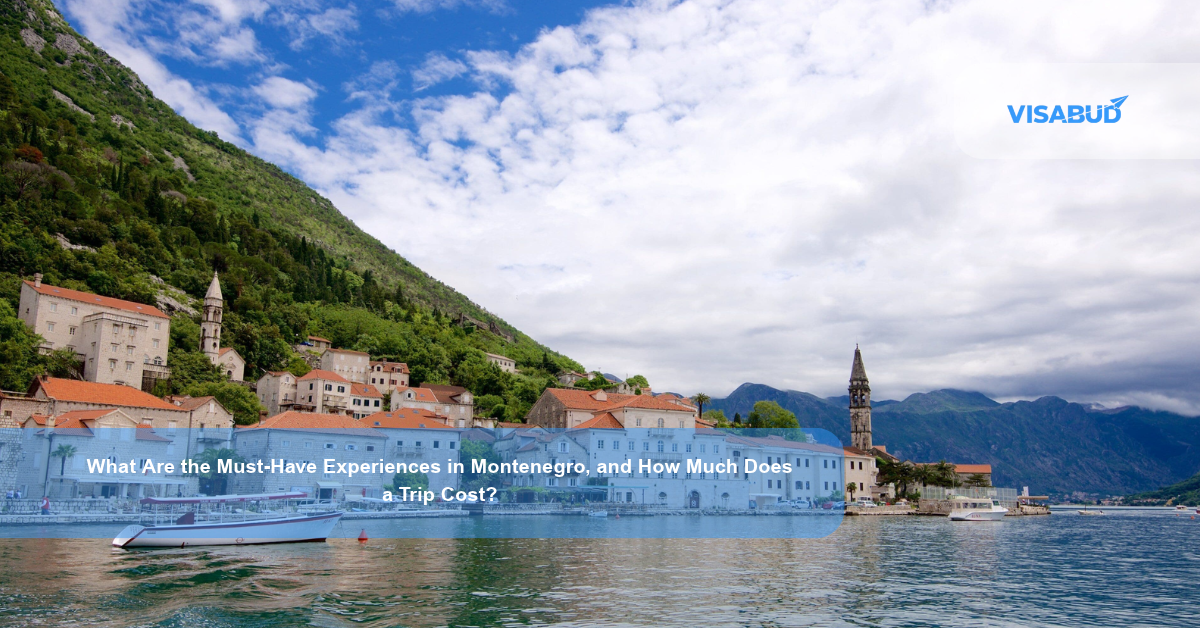
The Bay of Kotor is the country’s best-known sight. Steep mountains drop straight into calm water, and the walled town of Kotor sits at its inner end. Wander the stone lanes, find the small squares, and look for the many cats that live in the town.
For the classic view, climb the old fortress steps above the town. To avoid the heat and crowds, go early in the morning or late in the afternoon. Entry to the town itself is free, while the fortress path has a modest ticket fee in season [verify current price].
2. Take a Boat to the Island Church Near Perast
Perast is a quiet baroque village along the bay, with a short boat ride to a small island church. The trip takes only a few minutes, and the water views are beautiful at any hour. Boats leave from the Perast waterfront, and the fare is low, usually a few euros.
3. Spend Time on the Beaches of Budva and Beyond
Budva is the busiest beach town, with a walled old town, restaurants, and nightlife. If you prefer quieter water, look at smaller beaches along the coast, such as those near Petrovac or Sveti Stefan. Sveti Stefan, the island village connected to the mainland by a narrow strip, is best seen from a viewpoint, since it is now a private resort.
Beaches are mostly pebbly. Sunbeds and umbrellas can add up quickly in summer, so bring a towel and a light mat if you want to save a little.
4. Drive the Serpentine Road to Lovćen and Cetinje
A winding road above Kotor climbs through dozens of hairpin bends into Lovćen National Park. At the top, a mausoleum offers wide views across the country. From there, you can continue to Cetinje, the former royal capital, which has museums, old embassies, and a calm, small-town feel.
This route works well as a day trip by rental car or on an organised tour.
5. Hike or Drive Through Durmitor National Park
In the north, Durmitor offers glacial lakes, high peaks, and forests. The Black Lake near Žabljak has an easy walking loop that suits most fitness levels. Serious hikers can try longer routes, but weather changes fast, so check conditions first.
Winter sports are another popular activity in the area. The best times to go for walks are in the summer and early fall.
6. See the Tara River Canyon
One of Europe’s deepest canyons is Tara Canyon. You can look down from a high bridge, try a zip line, or go white-water rafting between late spring and early summer, when water levels are higher. Rafting is the biggest single cost in this list, but it is also a memorable day out.
7. Visit Lake Skadar
The largest lake in the Balkans, Lake Skadar, is shared with Albania. Its shores hold wetlands, bird life, and small villages. A boat trip is the easiest way to see it, and the area is also known for local wine. It makes a relaxed day away from the busy coast.
8. Stop at Ostrog Monastery
Built into a nearly vertical rock face, Ostrog Monastery is one of the most visited religious sites in the region. Dress modestly and expect a steep road and a short walk. There is no entry fee, though donations are welcome.
9. Eat Local
Montenegrin food mixes Mediterranean and mountain traditions. Try grilled fish on the coast, cured ham and cheese from the north, and simple stews. Many restaurants serve generous portions, so sharing dishes is common. Local wines, especially red wines made from the Vranac grape, are worth ordering.
How Much Money Do You Need for Montenegro?
Costs depend on your travel style, the season, and whether you rent a car. The figures below are approximate daily estimates per person, excluding international flights.
Budget travel (about €50–70 per day)
Mid-range travel (about €90–140 per day)
Comfortable travel (about €180 or more per day)
These ranges are most accurate outside peak weeks. Between July and August, coastal accommodation in particular can cost noticeably more.
Typical Prices You May See
All of these are rough guides, and prices change from year to year.
Sample 7-Day Budget
Here is what a week might cost per person, excluding flights, if you follow the daily ranges above.
If you travel as a couple, accommodation and car costs can be shared, which lowers the per-person total.
Suggested Route
A week lets you see the main sights without rushing :
1. Days 1–3 : Kotor, Perast, and the Bay of Kotor
2. Day 4 : Lovćen and Cetinje
3. Day 5 : Budva and a beach day
4. Days 6–7 : Durmitor and the Tara Canyon, or Lake Skadar if you prefer a shorter trip
Flights, Visas, and Other Costs to Plan For
The daily budgets above do not include these items :
Tips to Keep Costs Down
1. Travel in the shoulder season. May, June, September, and early October usually offer warm weather with lower prices.
2. Stay outside the busiest old towns. Apartments a short walk or bus ride away often cost less.
3. Use buses for coastal routes. They are cheap and run often between main towns, though schedules in smaller places can be thin.
4. Rent a car only for the mountains. You may not need one for Kotor, Perast, and Budva, but it helps in Durmitor and around Lake Skadar.
5. Eat where locals eat. Restaurants away from the main squares tend to be cheaper.
6. Book rafting and boat tours directly. Compare local operators before paying.
7. Carry some cash. Cards are widely accepted in towns, but smaller places may prefer cash.
When Is the Best Time to Go?
Late spring and early autumn give the best balance of weather, crowds, and cost. Prices are at their greatest in July and August, which are hot and busy months. Winter is quiet on the coast, but the north becomes a ski destination. Rafting is best from roughly May to early July, when rivers run higher.
Frequently Asked Questions
How long do you need to stay in Montenegro?
Seven days covers the coast, one mountain area, and a few day trips. Four or five days is enough if you stay on the coast.
Is Montenegro expensive?
It is usually cheaper than Western Europe, though coastal prices rise sharply in peak summer.
Do I need a car?
Not for the coast. A car helps for Durmitor, the Tara Canyon, and flexible day trips.
Which currency should I bring?
Montenegro uses the euro. Bring some small notes for cafes, buses, and market stalls.
Is Montenegro good for first-time Balkan travellers?
Yes. The distances are short, English is widely spoken in tourist areas, and there is a wide choice of activities.
Final Thoughts
Montenegro rewards travellers who plan a little but leave room to wander. The must-have experiences, including Kotor, Perast, Lovćen, Durmitor, Lake Skadar, and the local food, fit comfortably into a single week. With careful choices on season and accommodation, a budget trip can stay under about €500, while mid-range and comfortable trips offer more space and ease.
Before you book, confirm visa rules, current prices, and transport timetables, so the plan matches what you will find on arrival.
Contact Us to Get Travel Guidance for Montenegro