TL;DR
A week in Guam costs roughly $1,800 to $2,800 per person on a budget, $3,000 to $4,800 mid-range, and $5,000 to $8,000+ for luxury. Flights are the biggest expense (35 to 50 percent of the total), followed by accommodation, which runs about $80 to $700+ per night per room, mostly in Tumon Bay. Food ranges from $30 to $200+ per day, and a rental car costs $45 to $90 per day, though renting for just 2 to 3 days can halve transport costs. Many of the best experiences, like beaches, sunsets, and the Wednesday Chamorro Village night market, are free or cheap. To save money, book flights 3 to 5 months ahead, travel in shoulder months (April to early June), split costs with a companion, eat where locals eat, and keep a 5 to 10 percent buffer for hidden costs like taxes, resort fees, and insurance.
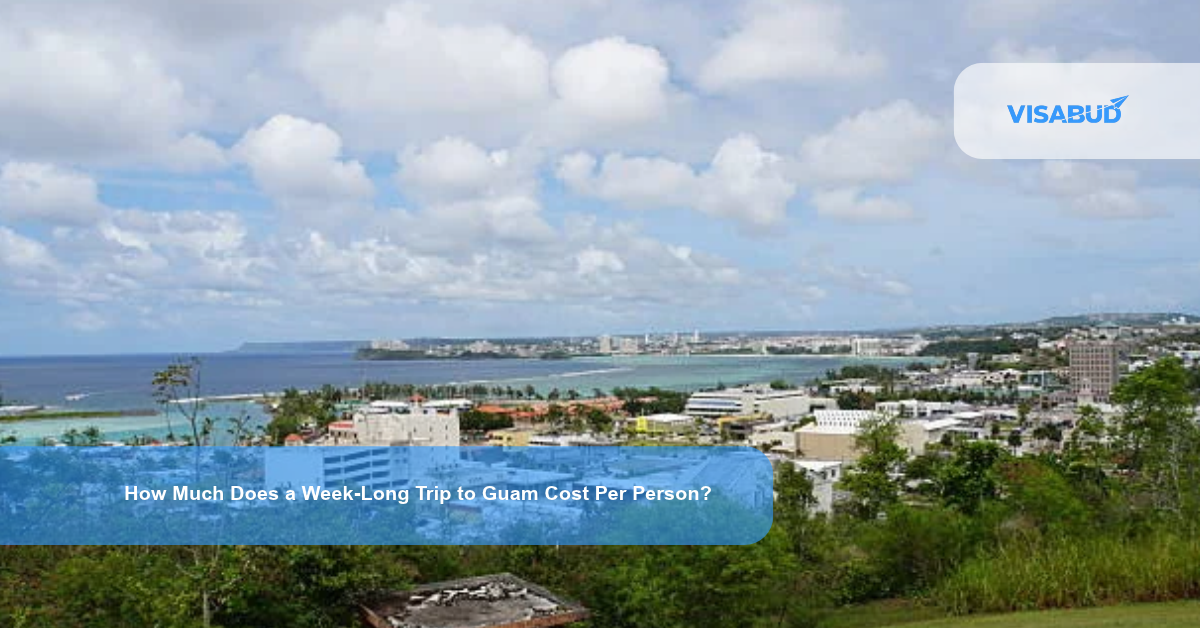
Guam is a tropical island with white-sand beaches, Chamorro culture, duty-free shopping, and some of the clearest water in the western Pacific. It is also far from almost everywhere, and that distance is what drives the price of a trip.
So how much should you budget for seven days? A realistic range is $1,800 to $2,800 per person on a tight budget, $3,000 to $4,800 for a comfortable mid-range trip, and $5,000 to $8,000 or more if you want resort luxury. Flights, accommodation, food, transport, and activities each shape that total.
This guide breaks down each category so you can build a budget that fits your travel style.
A note on figures : all prices are in US dollars (Guam’s currency) and are typical estimates based on a per-person share of a double room. Airfare and hotel rates change by season and demand, so check current prices before booking.
The Quick Summary
Budget traveler : about $700 to $1,100 on the ground for seven days, or $1,800 to $2,800 in total with flights.
Mid-range traveler : about $1,500 to $2,400 on the ground, or $3,000 to $4,800 in total with flights.
Luxury traveler : about $3,500 to $6,000 or more on the ground, or $5,000 to $8,000 or more in total with flights.
The biggest variable is your departure point, so we’ll start there.
1. Flights : The Largest Single Expense
Guam’s main gateway is Antonio B. Won Pat International Airport (GUM). Airfare often takes 35 to 50 percent of the total budget.
From Japan, South Korea, and the Philippines : These are the cheapest routes because the flights are short, around three to four hours. Expect roughly $250 to $600 return, with sales sometimes pushing fares lower. Tokyo and Seoul are the busiest feeder cities.
From Hawaii : Flights from Honolulu typically fall between $600 and $1,100 return, with a connection or direct service depending on the season.
From the US mainland : Most itineraries connect through Honolulu, Tokyo, or Seoul. West Coast departures usually run $1,000 to $1,700 return. East Coast and Midwest departures can reach $1,500 to $2,400 in peak season.
From India : There are no routine direct flights. Most travelers connect via Manila, Seoul, Tokyo, or Singapore, which makes for a long journey. Return fares typically range from $800 to $1,500 depending on timing and the number of stops. Indian citizens should also confirm entry rules early, since Guam is a US territory and a US visa is generally required. Always check the official US government visa and entry information before booking.
Money-saving tips for flights :
2. Accommodation : Your Second-Biggest Cost
Most visitors stay in Tumon Bay, the island’s tourist center, with its hotels, restaurants, and shops within easy reach. Prices below are per room per night, so divide by two if you’re sharing.
Budget ($80 to $150 per night) : Small hotels, guesthouses, and older properties in or near Tumon. Over seven nights, that’s $560 to $1,050 per room, or $280 to $525 per person when shared.
Mid-range ($150 to $300 per night) : Well-known beachfront and near-beach hotels with pools, restaurants, and good locations. Seven nights costs $1,050 to $2,100 per room, or $525 to $1,050 per person when shared.
Luxury ($350 to $700+ per night) : Full-service resorts with private beach access, multiple pools, spas, and ocean-view suites. A week can cost $2,450 to $4,900+ per room, or $1,225 to $2,450+ per person when shared.
Don’t forget taxes and fees. Guam adds a hotel occupancy tax, and many resorts charge daily resort or service fees. Budget an extra 10 to 15 percent on top of the advertised room rate.
Ways to save :
3. Food and Drink
Guam’s food scene mixes Chamorro, Filipino, Japanese, Korean, and American influences, so you can eat well at nearly any budget.
Budget eaters ($30 to $55 per day) : Local diners, plate-lunch spots, food courts, and grocery-store meals. A hearty plate lunch usually costs $10 to $16. Over a week, that’s $210 to $385.
Mid-range eaters ($60 to $100 per day) : A mix of casual restaurants, a few sit-down dinners, and drinks. Over seven days, expect $420 to $700.
High-end eaters ($120 to $200+ per day) : Resort dining, steakhouses, sushi, and cocktails at beachfront bars. Over a week, that’s $840 to $1,400+.
Since most food and goods are imported, grocery prices tend to run higher than on the US mainland. Eating out at local places is often better than cooking, unless you have a kitchen and shop smartly.
Try these local experiences : Chamorro barbecue, red rice, kelaguen, and the Wednesday Chamorro Village night market in Hagåtña, which is one of the cheapest and most authentic ways to eat on the island.
4. Getting Around: Transport Costs
Public transport in Guam is limited, so most visitors choose one of three options.
Rental car ($45 to $90 per day) : Offers the most freedom and is the best way to see southern villages, beaches, and viewpoints. Over a week, that’s $315 to $630, plus fuel and parking. Fuel for a week of moderate driving typically adds $40 to $90. Splitting the car between two or more people lowers the per-person cost significantly.
Tourist shuttles and the hotel-area bus : Visitor shuttles running through Tumon and nearby shopping areas are affordable, often a few dollars per ride or low-cost day passes. This works well if you plan to stay mostly in the Tumon area.
Taxis and rideshare : Convenient for short trips but expensive over longer distances. Airport transfers can cost $25 to $50 each way.
Best strategy : Many travelers rent a car for just 2 to 3 days to explore the island, then rely on shuttles and walking for the rest of the week. That can cut transport costs by half.
5. Activities, Tours, and Entrance Fees
This is where your budget flexes most. Many of Guam’s best experiences are free or cheap.
Free or nearly free :
Paid activities (typical ranges) :
Weekly activity budgets :
6. Shopping and Souvenirs
Guam is known for duty-free shopping, with luxury brands, cosmetics, and electronics sold in Tumon-area stores. Savings vary by item and exchange rates, so compare prices before assuming it’s a bargain.
For souvenirs, consider local coffee, Chamorro-made crafts, jewelry, and snacks. Budget $50 to $150 for gifts. Heavy shoppers can spend far more, so decide your limit in advance.
7. Hidden and Often-Forgotten Costs
A few extra items can quietly add up :
Set aside 5 to 10 percent of your total budget as a buffer for surprises.
Sample Weekly Budgets (Per Person)
Here are three realistic examples for a couple sharing a room and a rental car, and flying from the US West Coast.
Budget Traveler : about $2,300
Mid-Range Traveler : about $3,900
Luxury Traveler : about $6,500
Is the Cost Worth It?
For many travelers, yes. Guam delivers a beach vacation with US-standard infrastructure, warm water year-round, strong cultural depth, and a relaxed pace. While it’s not the cheapest destination in the Pacific, the experience can feel premium without a premium price if you plan well.
If you’re traveling from Japan, Korea, or the Philippines, Guam is a very affordable short getaway. From farther away, the airfare is the main hurdle, but a week on the island gives you enough time to spread that cost across a meaningful stay.
Final Money-Saving Tips
1. Travel in the shoulder season. April to early June often brings good weather and lower rates.
2. Book flights early, hotels flexibly. Choose refundable rates so you can rebook if prices drop.
3. Mix free and paid activities. Beaches, sunsets, and night markets cost little but feel unforgettable.
4. Share costs. Cars, rooms, and tours are cheaper per person with two or more travelers.
5. Eat where locals eat. Skip resort restaurants for at least half your meals.
6. Track your spending daily. A simple notes-app tally prevents end-of-trip surprises.
The Bottom Line
A week in Guam can cost anywhere from about $1,800 to well over $6,000 per person, depending on where you fly from, where you stay, and how you spend your days. Start by pricing your flights, since they set the baseline. Then choose a hotel tier, decide how much you want to explore by car, and layer in activities that match your interests.
With a little planning, Guam can fit a modest budget or a lavish one, and the beaches, food, and culture are just as memorable either way.
Contact Us to Plan Your Guam Trip