TL;DR
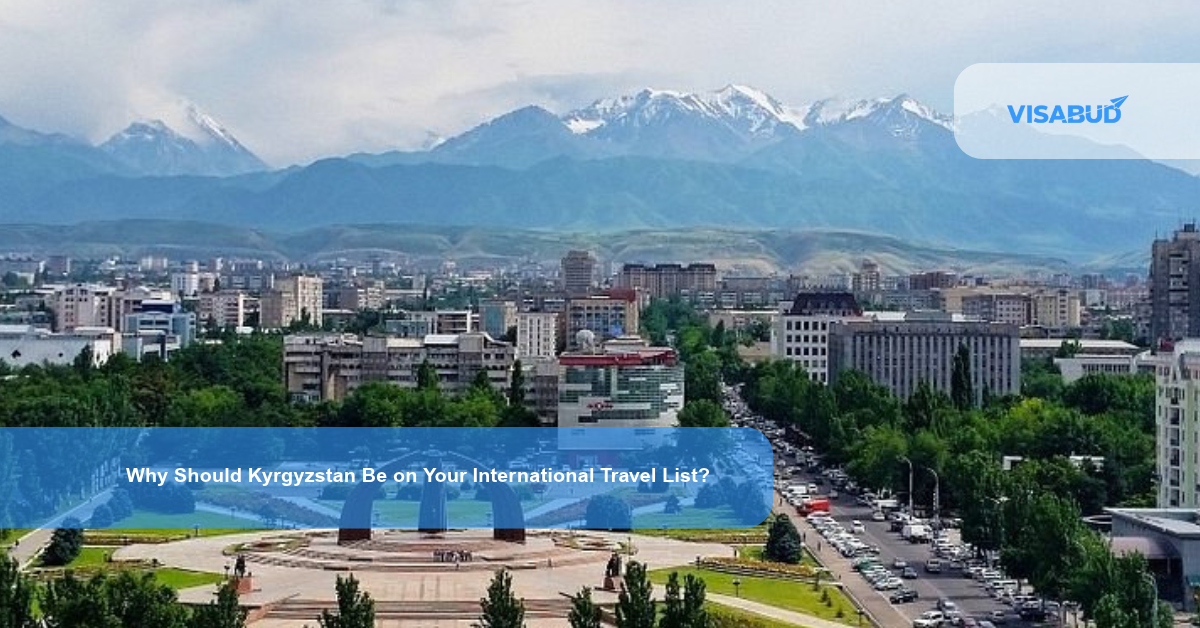
Kyrgyzstan is a landlocked Central Asian country where about 90% of the land is mountains. It offers alpine lakes, nomadic yurt stays, Silk Road history, hot springs, and trekking at a fraction of the cost of the Alps or the Himalayan hotspots. It is safe for most travelers, rich in culture, and still uncrowded. The best time to visit is June to September, and a week to ten days covers the highlights. Check current visa rules for your passport before booking, since they change.
The Country Most Travelers Haven’t Discovered Yet
Ask a hundred people to name their dream international destinations and you’ll hear Switzerland, Japan, Iceland, and Thailand. Almost nobody says Kyrgyzstan. And that’s the very reason it belongs on your travel list.
Tucked between Kazakhstan, Uzbekistan, Tajikistan, and China, Kyrgyzstan is a small country of roughly seven million people with some of the most dramatic landscapes in Asia. Its name is often linked to the idea of “forty tribes,” and its identity is deeply tied to nomadic traditions that still shape daily life. Herders move their flocks to high summer pastures called jailoos, families welcome strangers into felt-lined yurts, and hospitality is practiced as a genuine custom rather than a tourism slogan.
If you want a trip that feels like discovery rather than a checklist, this is it.
1. Mountains That Rival the Best in the World
Kyrgyzstan is dominated by the Tian Shan range, and the scenery is the headline attraction. Snow-capped peaks, glacial valleys, emerald meadows, and turquoise lakes appear around almost every bend of the road.
Trekking for every level. The country has routes for casual walkers and serious mountaineers alike. Near Karakol, the Ala-Kul trek is one of the most famous multi-day hikes in Central Asia, climbing past a vivid alpine lake to a high pass. For something gentler, day hikes in Ala Archa National Park, just outside the capital Bishkek, give you glaciers and alpine views within an hour’s drive of the city.
Horse riding. Horses are central to Kyrgyz culture, and riding is a natural way to see the country. You can book anything from a two-hour ride in a valley to multi-day treks with local guides.
Winter options. Karakol and areas near Bishkek offer skiing, ski touring, and heli-skiing, often at much lower prices than European resorts.
2. Lakes You’ll Remember for Years
Issyk-Kul is the star. It is one of the largest mountain lakes in the world, ringed by snowy peaks. Despite sitting high in the mountains, it never freezes, which is where its name, often translated as “warm lake,” comes from. The north shore has beaches and resorts, popular with regional holidaymakers, while the south shore is quieter and better for exploring canyons and villages.
Song-Kol sits at a bit over 3,000 meters and is a completely different experience. There are no hotels here, just seasonal yurt camps on wide, open grassland beside a calm lake. Evenings bring woodsmoke, grazing horses, and a sky packed with stars. It is accessible only in summer, and it is the kind of place that makes people go quiet.
Kel-Suu, near the Chinese border, is a remote turquoise lake surrounded by sheer rock walls. It takes effort to reach, which keeps crowds minimal.
3. Sleeping in a Yurt Is Not a Gimmick
In many countries, “authentic local stay” is a marketing language. In Kyrgyzstan, yurt camps and homestays are a normal, long-standing form of accommodation, and the experience is hard to replicate elsewhere.
A typical stay includes a simple bed with thick blankets, a home-cooked dinner, and conversation with your hosts, often through a mix of gestures, translation apps, and shared laughter. In many villages, a CBT (Community Based Tourism) network helps travelers book homestays directly, which means your money reaches local families instead of large chains.
Expect basic facilities. Bathrooms are often shared, and in remote areas, toilets can be simple outhouses. But the warmth of the welcome usually outweighs any comfort trade-offs.
4. History That Goes Beyond Postcards
Kyrgyzstan sat on the Silk Road, and the traces of that past are everywhere.
The country also has a living cultural tradition. Felt-making, eagle hunting in the Issyk-Kul region, and the epic poem Manas, one of the longest in the world, are all part of Kyrgyz heritage.
5. Food That Surprises Visitors
Kyrgyz cuisine is hearty and shaped by nomadic life, with strong influences from neighboring Central Asian and Russian cooking.
Dishes worth trying :
Vegetarians will need to plan a little. Meat is central to the cuisine, though salads, bread, dairy, noodles, and fruit are widely available. Fresh apricots, apples, honey, and nuts from local markets are excellent in season.
6. It’s Remarkably Affordable
Compared with most international destinations, Kyrgyzstan stretches a budget far. Homestays, local meals, shared taxis (marshrutkas), and guided treks cost much less than comparable experiences in Europe or East Asia. A comfortable mid-range trip can be put together without a large budget, and backpackers can travel even more cheaply.
Prices vary by season and by how remote you go. Private drivers, 4×4 hire, and guided multi-day treks add to costs, but they are still generally good value. Always confirm current rates before booking, as they change.
7. It Feels Safe and Welcoming
Most travelers report that Kyrgyzstan is friendly and relaxed, especially in rural areas. Petty theft can occur in busy places like bazaars and transport hubs, as anywhere, so standard precautions apply. Solo travelers, including women, commonly visit, though it is sensible to dress modestly in villages and follow local advice, particularly in remote areas.
Because tourism is still developing, you’ll often meet locals who are curious about visitors and eager to help. Learning a few words of Russian or Kyrgyz goes a long way. Both are widely used, and English is more common in Bishkek and with tour operators than in small villages.
Before traveling, check your government’s current travel advisory, especially for areas near borders.
8. A Great Fit for Different Kinds of Travelers
If you’re lucky enough to travel when it’s held, the World Nomad Games showcase traditional sports like horseback wrestling and kok-boru, a spirited game played on horseback. Even outside the games, local festivals and demonstrations pop up across the summer.
When to Go
June to September is the main season. Mountain passes are open, yurt camps operate, and trekking is at its best. July and August are warmest and busiest, though “busy” in Kyrgyzstan is still quiet by global standards. September is excellent for golden light, fewer people, and cooler air.
December to March suits skiers, but many remote areas are inaccessible.
April, May, and October are shoulder months. They can be beautiful but unpredictable, with higher passes still snowy or already closing.
Practical Tips Before You Go
Visas and entry. Rules depend on your nationality and can change, including e-visa availability and permitted stay. Check the official government or embassy websites shortly before you travel.
Getting there. Most international visitors fly into Bishkek’s Manas International Airport, often with a connection through hubs in the Middle East, Turkey, or Central Asia. Osh also has an airport with some international links.
Getting around. Options include shared taxis, minibuses, private drivers, domestic flights, and rental 4x4s. For remote regions, a driver or guide is often the most practical choice.
Money. The local currency is the som. Cards work in larger cities, but carry cash for villages, bazaars, and homestays.
Connectivity. Local SIM cards are inexpensive and work well in towns, though signal drops in the mountains.
Packing. Bring layers. Even in summer, nights at altitude can be cold. Sturdy shoes, a rain jacket, sun protection, and a power bank are essentials.
Altitude. If you plan to visit high-elevation places like Song-Kol, allow time to acclimatize and stay hydrated.
Insurance. Get travel insurance that covers trekking and remote travel, including medical evacuation if you plan multi-day hikes.
A Sample 8-Day Route
This keeps travel times manageable while giving you a mix of culture, nature, and relaxation. With more days, add Osh and the south.
Final Thoughts
Kyrgyzstan won’t suit someone looking for polished resorts or perfect infrastructure. What it offers instead is rarer: huge landscapes without the crowds, hospitality that feels genuine, and the chance to experience a living nomadic culture. For travelers tired of overbooked hotspots, it offers a refreshing alternative, and it’s still early enough to see it before it becomes a household name.
So when you’re building your next international travel list, leave a space for the “country of the mountains.” You may find it becomes the trip you talk about most.
Ready to explore Kyrgyzstan? Contact us to plan your perfect trip.